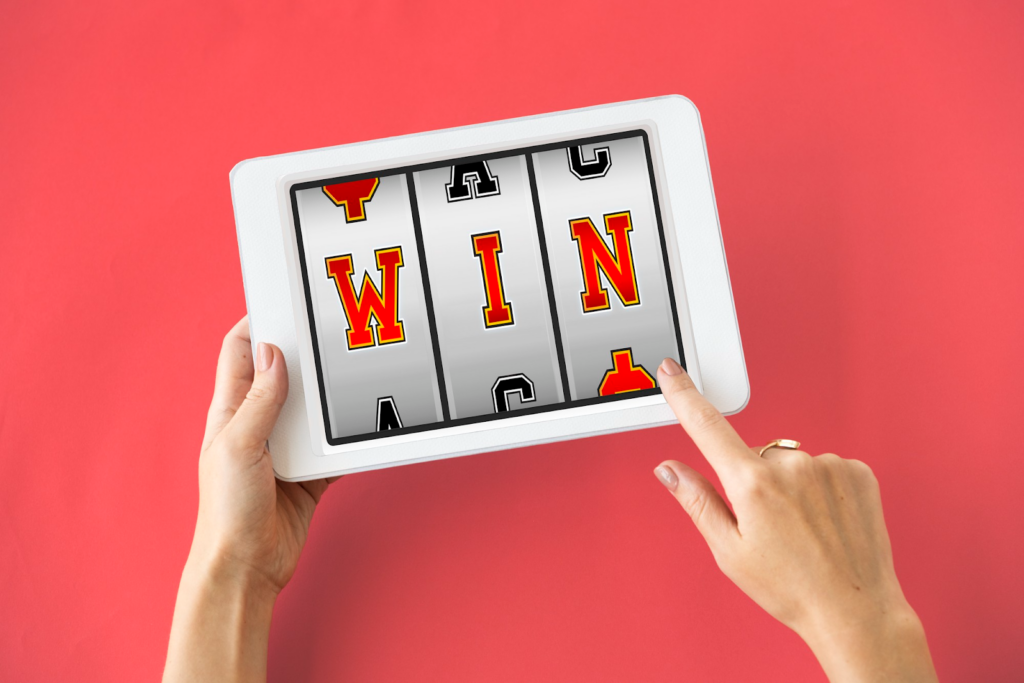
Casino behaviour in Canada rarely fits into a single pattern. Some players open an app for a brief session during a commute. Others sit down for a deliberate, rules-driven table game experience. A third group logs in primarily for interaction, gravitating toward live tables and shared formats.
Assuming all players want the same thing misses the point. Play style shapes expectations: around tempo, risk, and how money moves through the session. For players looking to ground those decisions in clearer limits and awareness, resources such as Canadian casino sites provide guidance before choosing any particular game format.
Why Play Style Matters More Than Rankings
Casino rankings measure engagement. They reflect which titles attract traffic, not which formats align with a specific player’s rhythm or tolerance for variance.
A fast-paced slot trending on mobile platforms might rank highly because it is accessible and visually compelling. That does not mean it fits someone seeking slower, strategy-based play. Likewise, a live dealer table with modest overall traffic may suit players who value structure and social cues.
Casual Short Sessions: Fast Games, and Lower Commitment Play
Casual sessions are typically brief and mobile-driven. A player may log in for 10 to 20 minutes, spin through a handful of rounds, and log out. Convenience defines the experience.
Games that fit this style tend to share certain features:
- Simple mechanics requiring little rule review
- Quick round resolution
- Clear visual feedback
- Lower cognitive load
Video slots dominate this category. Many offer adjustable stakes and autoplay options, which support short bursts of engagement. Instant-win formats and certain crash-style games also fit the pattern.
However, speed changes variance exposure. Faster games generate more outcomes per hour. Even if RTP is consistent, more rounds mean more short-term fluctuation within a single sitting.
For Canadian players using smartphones as their primary access point, this pacing becomes central. The appeal lies in flexibility. The trade-off is that volatility can feel amplified within compressed sessions.
Focus Play: Strategy Structure and Slower Pacing

Focus play reflects a different intention. Here, the player engages with rules, probabilities, and decision-making layers. Table games like blackjack and baccarat define this style. With good rules and smart play, blackjack’s house edge can dip far below most slots. The tempo is measured, and every choice matters. That structure attracts players who prefer a sense of control within the bounds of probability.
This does not eliminate risk. Variance still exists. But the rhythm changes. A 30-minute blackjack session may include far fewer discrete outcomes than a slot session of the same duration.
Focus-oriented players often prioritize:
- Transparent rules
- Clear payout tables
- Measured tempo
- Lower volatility profiles
In Canada’s regulated environment, rule variations can differ by platform. Reviewing those differences becomes more relevant for this style than for purely casual play.
Social Gaming: Live Tables, Shared Experience, and Community Trends
The appeal of social gaming is less about raw statistical return and more about atmosphere. Real-time dealers, shared game states, and visible participant counts create a communal dimension absent in solitary slot sessions.
This style often involves moderate pacing. Live blackjack or roulette unfolds more slowly than automated digital versions. That pacing can reduce the number of rounds per hour, indirectly moderating short-term variance exposure.
Yet social elements introduce new dynamics. Players may extend sessions to remain part of a group table. The shift is from transaction to experience.
For many Canadian players, authenticity matters: visible cards, human dealers, and real-time video feeds.These features influence popularity metrics but do not change underlying probability structures.
Setting Realistic Expectations Across Different Styles
Every casino format operates within defined probability models. Short-term results can vary widely from theoretical expectations, especially in compressed sessions.
Casual players may experience rapid swings because of pace. Focus players may feel swings more acutely due to decision involvement. Social players may extend sessions beyond initial plans due to atmosphere.
None of these dynamics imply better or worse choices. They reflect different relationships with time, variance, and engagement.
Canadian players who approach selection through style, rather than ranking alone, tend to see clearer distinctions between entertainment preference and mathematical structure.
That distinction does not remove uncertainty. It contextualizes it.
FAQ
What is the most common casino play style in Canada?
Mobile-driven casual sessions appear to dominate engagement metrics. However, table game and live dealer formats maintain strong followings among players seeking structure or interaction.
Are casual slot sessions riskier than table games?
The danger is in the tempo. Slots on fast-forward pack variance into every minute, while table games stretch the same exposure over a slower, steadier beat.
Does strategy reduce risk in focus play formats?
In blackjack, the right moves trim the math working against you. The game’s natural chaos stays, but the long-term price of playing comes down.
Why do live dealer games feel different from digital slots?
Live dealer formats involve human interaction and slower pacing. That social dimension changes engagement patterns even though probability models remain fixed.
Should I choose games based on popularity rankings?
Rankings reflect what many players are currently choosing. Matching game structure to your own style and limits offers a more practical decision framework.