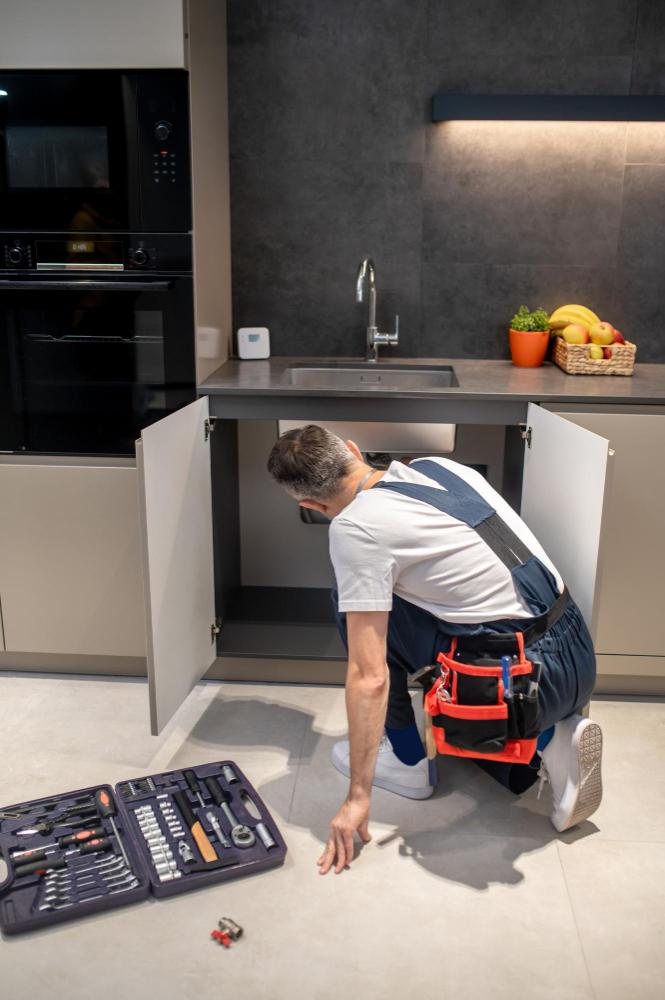
The home remodeling industry has traditionally been associated with manual labor, physical materials, and on-site decision-making. However, in recent years, digital transformation has begun to reshape how remodeling projects are planned, managed, and executed. From design software to project management platforms, digital tools are improving efficiency, accuracy, and communication across the entire renovation process.
In growing markets such as California, the demand for home remodeling sacramento services continues to increase, and with it, the adoption of digital solutions that help contractors and homeowners achieve better results. These tools are not only streamlining workflows but also reducing errors, saving time, and improving overall project outcomes.
Digital Planning and 3D Design
One of the most impactful advancements in remodeling is the use of digital planning and 3D design software. These tools allow contractors and clients to visualize projects before construction begins. Instead of relying on sketches or verbal explanations, homeowners can now see realistic representations of their future spaces.
3D modeling software helps:
- Create accurate layouts and dimensions
- Visualize materials, colors, and finishes
- Identify potential design issues early
- Improve decision-making before construction starts
This reduces the likelihood of costly changes during the building phase and ensures that both the contractor and the homeowner are aligned on the final vision.
Project Management Software and Workflow Optimization
Managing a remodeling project involves coordinating multiple tasks, timelines, and teams. Digital project management tools have become essential in organizing these processes efficiently.
Modern platforms allow contractors to:
- Track project timelines and milestones
- Manage budgets and material costs
- Coordinate subcontractors and teams
These systems improve transparency and help keep projects on schedule. Homeowners also benefit by having access to progress updates and clear communication throughout the project.
The implementation of these digital frameworks extends far beyond simple project tracking, as it fundamentally reshapes how contractors and clients interact during complex renovations. By utilizing integrated cloud platforms, professionals providing home remodeling services in Gainesville can offer unprecedented levels of transparency regarding material lead times and budget shifts. This real-time visibility ensures that all stakeholders remain aligned on design intent while minimizing the likelihood of expensive structural revisions. Consequently, the reliance on paper-based blueprints is rapidly fading, replaced by dynamic data environments that support more sustainable construction practices. This evolution toward digital maturity ultimately allows for a more predictable and high-quality outcome for every modern homeowner.
Communication and Collaboration Tools
Effective communication is critical in remodeling projects. Miscommunication can lead to delays, mistakes, and increased costs. Digital communication tools help bridge the gap between contractors, designers, and clients.

Through mobile apps and cloud-based platforms, teams can:
- Share design updates instantly
- Send photos and progress reports
- Address issues quickly
- Maintain clear documentation of decisions
This level of connectivity ensures that everyone involved in the project stays informed and aligned.
Data-Driven Decision Making
Data is becoming increasingly important in the remodeling industry. Digital tools now allow contractors to analyze project data, estimate costs more accurately, and predict potential challenges.
Data-driven insights help:
- Improve budgeting accuracy
- Optimize material usage
- Identify potential delays
Enhance overall project planning
By using data effectively, contractors can make more informed decisions and reduce the risk of unexpected issues during construction.
Smart Technology Integration
Modern remodeling projects often include smart home technology as part of the design. Digital tools help integrate these systems into the renovation process, ensuring compatibility and proper installation.
Smart home features may include:
- Automated lighting systems
- Smart thermostats
- Security and surveillance systems
- Voice-controlled devices
Digital planning tools allow contractors to design spaces that support these technologies from the beginning, rather than adding them later.
Improving Efficiency and Reducing Costs
One of the main benefits of digital tools is increased efficiency. By automating certain processes and improving coordination, these tools reduce wasted time and resources.
Efficiency improvements include: faster project planning, reduced material waste, fewer design errors, better scheduling and time management.
Over time, these efficiencies translate into cost savings for both contractors and homeowners.
The Future of Digital Remodeling
As technology continues to evolve, the remodeling industry is expected to adopt even more advanced tools. Artificial intelligence, augmented reality, and virtual reality are already being explored to further improve design and planning processes.
These innovations will continue to transform how remodeling projects are executed and experienced.
A More Connected Industry
Digital tools are redefining the home remodeling industry by making it more connected, efficient, and transparent. What was once a process driven primarily by manual planning is now supported by advanced technology that improves every stage of a project.
As demand for remodeling continues to grow, the use of digital tools will become increasingly essential. Contractors who adopt these technologies can deliver better results, while homeowners benefit from improved communication, clearer expectations, and more successful renovation outcomes.
The integration of technology into remodeling is not just a trend, it is becoming the standard for how modern projects are designed and completed.