Crypto wallets have matured quickly. Today, you can store assets securely, send funds globally in seconds, and track everything in real time. From a technical perspective, the system works. Moving value is no longer the challenge. But the moment you try to use that value in everyday situations, the issues become obvious. That’s where the transition from wallet to payment still hits a roadblock.
Holding Crypto Is Easy. Using It Isn’t
Let’s start with a simple scenario. You have funds in your wallet – maybe stablecoins, maybe a mix of assets. Everything looks ready. You open your app, see your balance, and decide to pay for something online or in-store. That’s when the process changes.
Instead of paying directly, you may need to move funds to another platform, convert them into a supported format, and wait before completing the payment. It’s not complicated, but it’s not instant either. And that’s the problem – you have money, but it’s not ready to use.
Why the Gap Still Exists
Crypto wallets and payment systems were built for different purposes. Wallets focus on ownership and transfers, while payment networks focus on reliability at checkout – handling approvals, currency conversions, and real-world scenarios like deposits or recurring payments.
Bringing these two together isn’t just about connecting accounts. It’s about making sure payments behave the way people expect in real life. That’s why crypto feels seamless – until you try to spend it.
Where It Breaks in Real Life
The friction becomes obvious in situations that go beyond simple payments. You try to book a hotel and the system requires a deposit hold. Many crypto setups fail in these situations. You attempt to pay for a flight, but your card limit isn’t high enough. You move funds just to complete the purchase, adding time and fees to something that should take seconds.
These aren’t rare edge cases – they’re everyday situations. And they highlight what’s still missing: a payment layer that works as reliably as traditional cards.
What a Complete Payment Experience Looks Like
A complete system removes those interruptions. Instead of preparing funds before paying, your balance is already connected to a payment method that works everywhere. You don’t think about conversions, platforms, or limits – you just pay.
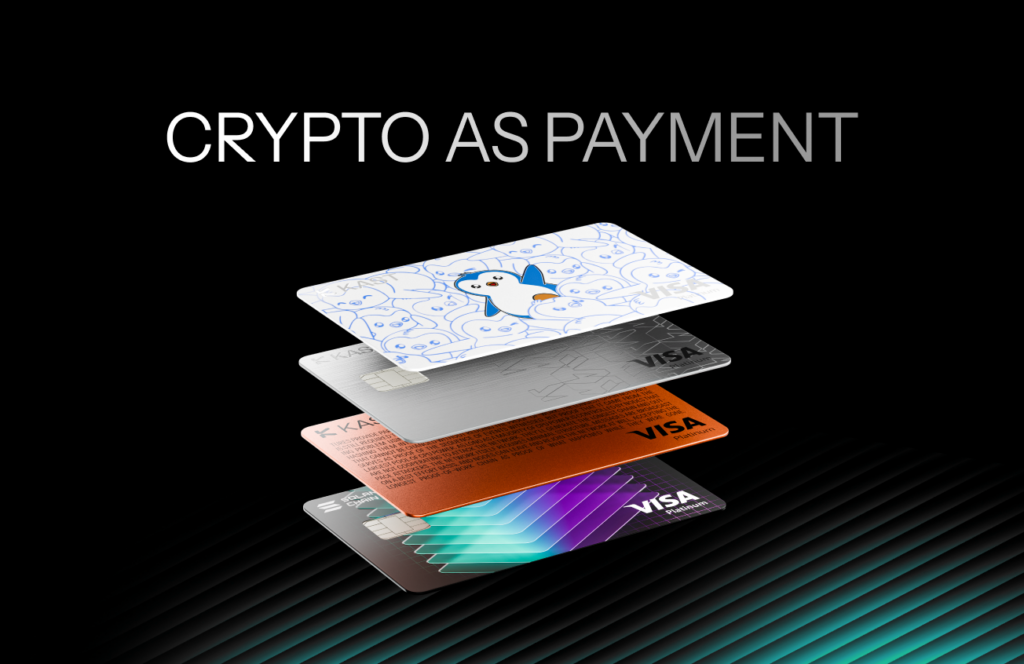
That’s where crypto cards come in. With something like the KAST card, your wallet (especially stablecoins) is directly linked to a card that runs on global payment networks. When you make a payment, your crypto converts into local currency instantly, and the transaction completes like any regular card payment. From your perspective, it’s simple: tap, confirm, done.
Where KAST Changes the Experience
The difference isn’t just convenience – it’s control and reliability. Most crypto cards come with fixed spending limits, which makes them fine for small purchases but unreliable for real-life spending. With KAST, you can set and adjust your own spending limit directly in the app, depending on what you need at the moment.
Because KAST operates on Visa’s network, it also supports pre-authorizations, meaning payments like hotel bookings, car rentals, and fuel holds work as expected. These are small details, but they’re exactly where many crypto solutions fall short.
Add to that the flexibility of using a physical or virtual card, paying through Apple Pay or Google Pay, and spending globally wherever Visa is accepted, and the experience starts to feel complete – not like a workaround.
Keeping Spending Predictable
Another challenge between wallets and payments is predictability. Crypto prices can move quickly, which makes spending uncertain. That’s why stablecoins play an important role – they maintain a steady value and make spending feel consistent.
With KAST, spending is built around stablecoins, so the amount you see is the amount you expect. Fees are shown clearly before you confirm, and your balance updates instantly after each transaction. You’re not guessing – you’re in control.
Built for Real Usage, Not Just Access
A wallet gives you access to your funds. A payment system needs to go further than that. It should handle everyday scenarios without forcing you to change your behavior, whether it’s small purchases or larger payments like travel, rent, or business expenses.
With flexible limits, real-time tracking, and global acceptance, the experience becomes less about managing crypto and more about using it naturally. That’s where the real shift happens – from infrastructure to usability.
From Wallet to Real-World Use
The ecosystem is improving, but it’s still evolving. Not all wallets connect directly to payment systems, and not all cards support real-world scenarios like deposits or larger transactions. But the direction is clear – the focus is shifting from building crypto infrastructure to making it usable in everyday life.
Making Crypto Actually Usable
The transition from wallet to payment is where crypto adoption is truly tested. It’s not about how fast you can send funds or how securely you can store them. It’s about whether you can use them at the exact moment you need to – without friction, limits, or second-guessing.
If you want to see what that looks like in practice, try KAST. Use it for everyday payments – online, in-store, or while traveling. Adjust your limits when needed, pay the way you already do, and experience how it feels when your crypto is actually usable.
Because once that connection is in place, crypto stops feeling like a separate system.
It becomes part of how you use money every day.