A football match can turn in seconds. One red card, a goal or an injury, and prices that looked sensible a moment ago may already be wrong.
Behind the sportsbook, somebody has to deal with that.
Live betting relies heavily on software now. Models process match data and recalculate prices faster than a person could do by hand. Traders still matter, though. Their job is increasingly about watching those systems, checking the information going into them and stepping in when the match stops behaving as expected.
The work starts well before kick-off
By the time the referee starts the match, plenty has already happened on the trading desk.
Team sheets have been checked. Injuries and late withdrawals may affect the prices. Traders can also see how much money has already been placed on different outcomes and where the sportsbook has built up more liability than usual.
Then the match begins, and the tidy pre-match picture starts moving.
A price that made sense ten minutes earlier may need changing quickly if an important player goes off injured or the shape of the game changes.
Live prices don't just follow the clock
Time matters, obviously. A team leading after ten minutes isn't in the same position as a team leading with ten minutes left.
But the score and clock are only part of it.
Automated models take incoming match information and keep recalculating probabilities. During an ordinary stretch of play, that can happen with very little human intervention.
Then something happens.
A penalty is awarded. Someone gets sent off. A key player goes down and doesn't get back up.
Several markets may need attention at once, and traders are watching the updates as they happen.
Sometimes the market simply disappears
Anyone who follows live odds has seen it. One second a market is available, the next it isn't.
Usually, that pause is there for a reason.
If an attack is developing near goal or officials are checking a possible penalty, the sportsbook doesn't want to keep taking bets against a price based on the previous state of the match. Someone watching from inside the stadium may also receive information before a delayed broadcast reaches everyone else.
So the market is suspended.
Once the event is clear, it can reopen at a new price. A confirmed goal changes the score and remaining possibilities. A disallowed goal means the system has to return to the actual match state.
All of this can happen while the players are already setting up for the restart.
A bad data feed can cause bigger trouble than a bad hunch
Live markets depend on fast event data.
The trading system may receive notice of a goal, card or substitution before the same moment appears on a television stream. That information feeds the pricing models.
When the feed is right, it works quietly.
When it isn't, the problem becomes obvious fast. An event can arrive late, appear twice or be recorded incorrectly. A model working from bad information can then produce prices for a match that isn't actually happening.
This is one of the moments where the trader earns the desk space. If the feed and the match no longer agree, markets may need to be suspended while somebody works out which one is wrong.
Software is quick. It doesn't get suspicious on its own.
The bets themselves are part of the picture
Traders aren't only watching the match.
They also watch where money is going.
A large bet or a sudden cluster of activity may deserve a closer look, particularly if it arrives shortly before prices start moving elsewhere. That doesn't automatically mean anything unusual has happened. Someone may simply have reacted to information faster.
The trader still needs to notice it.
Prices can move, limits may be reduced and a market can be paused while the situation is checked. Automated rules handle some of that work, but humans remain involved when the pattern doesn't look normal.
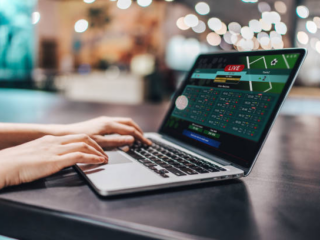
On a platform such as Bet Jordan Sports Betting, the live price on screen is only the visible end of that process. Behind it are data feeds, models and traders deciding whether the number still makes sense.
Models handle the volume
There are simply too many live markets for traders to calculate everything themselves.
A football match alone can have prices tied to the result, goals, players and other events. Multiply that across several matches and sports, and manual pricing becomes impossible.
Models do the repetitive work.
Humans become more useful around the edges, when information is incomplete or the situation changes faster than the feed can describe it. A trader might spot an injured player before the substitution is officially recorded, or decide that a new price looks wrong even though the model produced it correctly from the data it received.
Neither side of the process works particularly well alone at live-market scale.
One event can ripple across the whole screen
A red card doesn't only affect the match-winner price.
Expected goals can move. Player-related markets may change. The effect is different again depending on when the card happens and who has been sent off.
This is where live trading gets messy.
The software can recalculate connected markets almost immediately. The trader still has to check whether the inputs are sound and whether those new prices make sense in the match that's actually unfolding.
By the time the screen settles down, the referee may already have stopped play again.