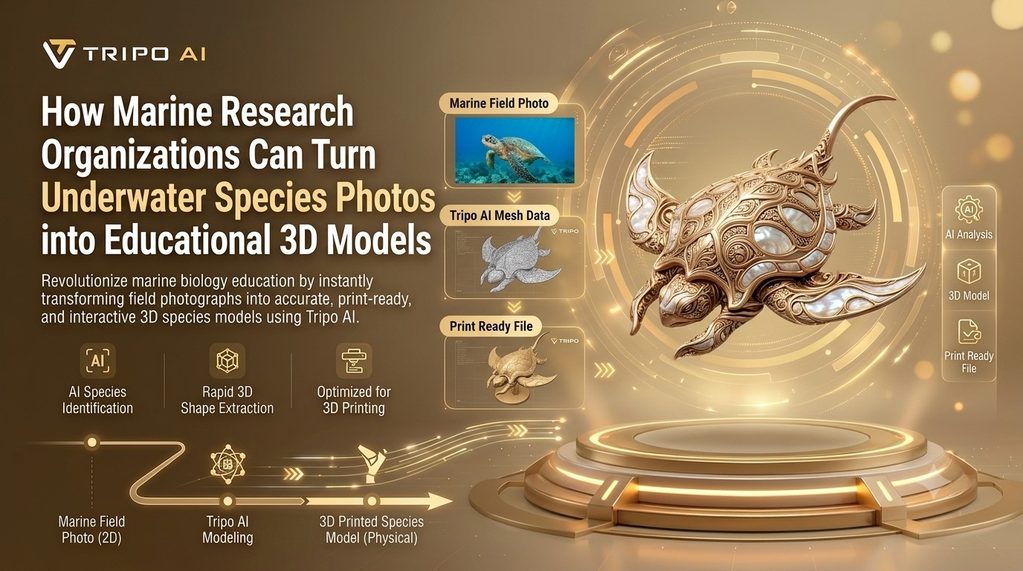
The marine ecosystem is one of the most intricate and understudied places on our planet. Scientists dedicate many working hours to photographing various species underwater. Despite the fact that all such photos end up in research papers, there is an opportunity to use them for educational purposes with the help of Tripo 3D’s image to 3D technology.
How underwater photography becomes interactive
Underwater photography allows scientists and enthusiasts alike to capture unique and breathtaking pictures of various species inhabiting the oceans. Nonetheless, it is hard to show their shape and size based only on flat photographs. The conversion of a photo to 3D makes this task much easier. With Tripo 3D, you can convert your underwater photographs into highly detailed 3D models.
Bringing hidden ocean worlds into view
Several species in the water are hard to see. Depth, pressure, and other factors in the environment complicate observations.
Using the Tripo 3D tool, researchers will be able to create digital models that will allow students and spectators to get an up-close look at creatures that would be hard to see otherwise. These models will include elements like textures, fin shapes, and other characteristics that would not necessarily be evident in conventional pictures.
Enhancing oceanic research via hands-on learning
Education plays an important role in ocean conservation. As more people understand about the ocean, they are more inclined to join in conservation efforts.
Integration of Tripo 3D in educational initiatives will allow research institutions to offer enriching learning experience and increase learners’ awareness. Such interactive features as model rotation and zoom will aid understanding of animals’ behavior and adaptation process.
Enhancing marine education with the help of AI model
Thanks to the use of 3D Modeling Web, marine research institutions will be able to convert underwater pictures of animals into high-quality digital models, which will serve both for academic research and education. Such detailed reproductions of species anatomy will allow everyone interested to examine marine life from various angles.
Turning research data into public engagement tools
Scientific research can be difficult to comprehend at times, due to its technical nature. Visual communication can assist with communicating complex findings through the creation of interactive visuals from the data gathered.
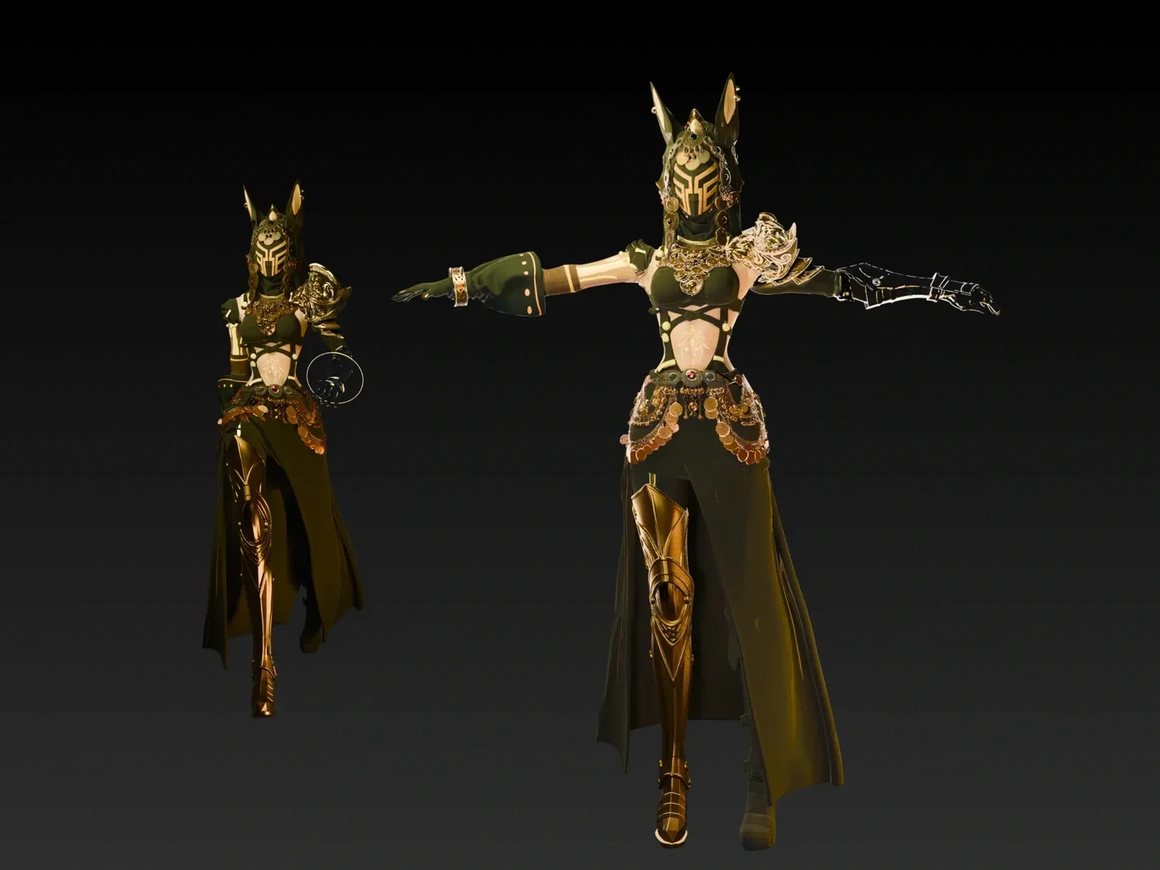
Tripo 3D allows organizations to turn scientific imagery into interactive models which can then be utilized for exhibitions, documentaries, and online media.
Visualizing research for enhanced conservation awareness
In order to conserve, one must raise public awareness. By enabling the visualization of marine species, individuals develop an emotional connection to them.
Visualization makes it easy to illustrate the effects of environmental destruction on endangered species and habitat change, making conservation efforts easier to communicate about.
Marine photograph to 3D species model with Tripo 3D
Creating marine species models can be done quite easily when you know how. Tripo 3D simplifies the entire process.
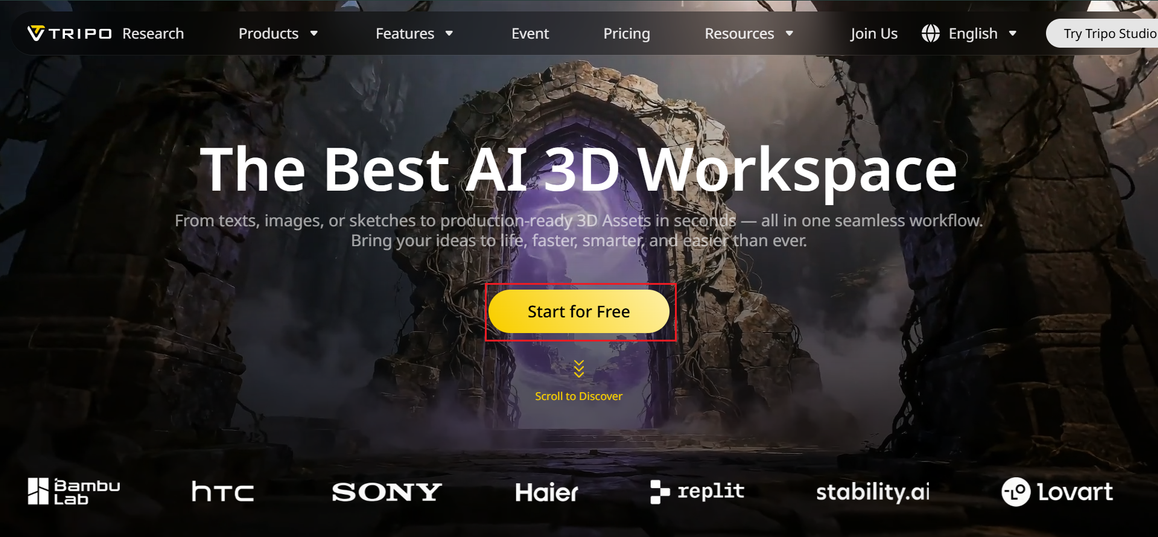
Step 1: Start with Tripo AI
Start the process by accessing the Tripo AI website and choosing the input type. When generating models for marine species, Image-to-3D is usually the best choice.
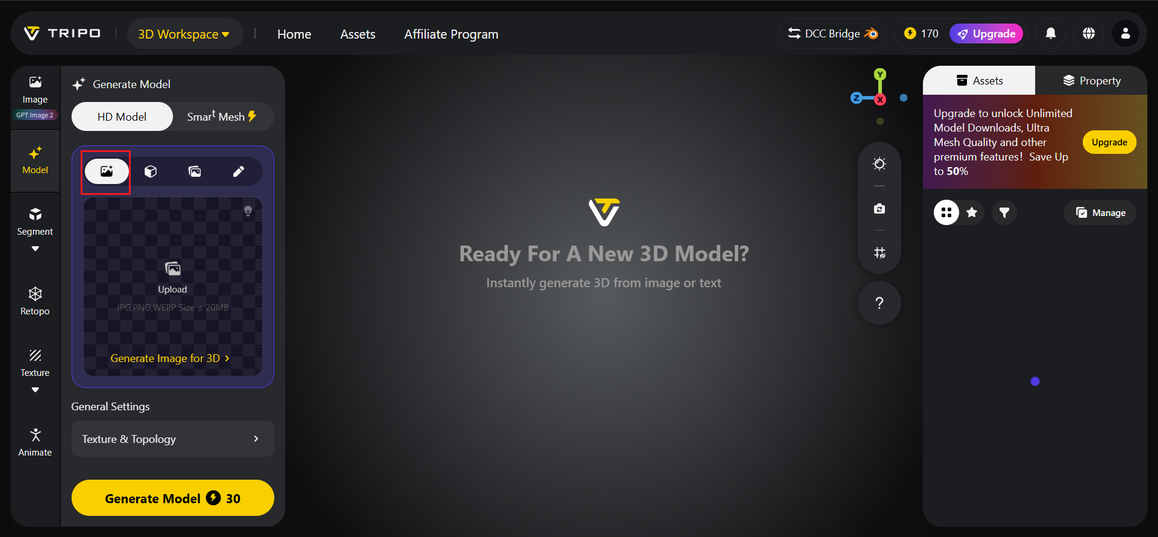
Step 2: Add image and configure settings
Upload images of the marine species taken underwater, using JPG, PNG, or WEBP image types. In the next step, set up the settings according to the purpose of the modeling. The best quality is necessary for research needs, while lower quality might suffice for the educational needs of your organization. These settings ensure you get the proper result.
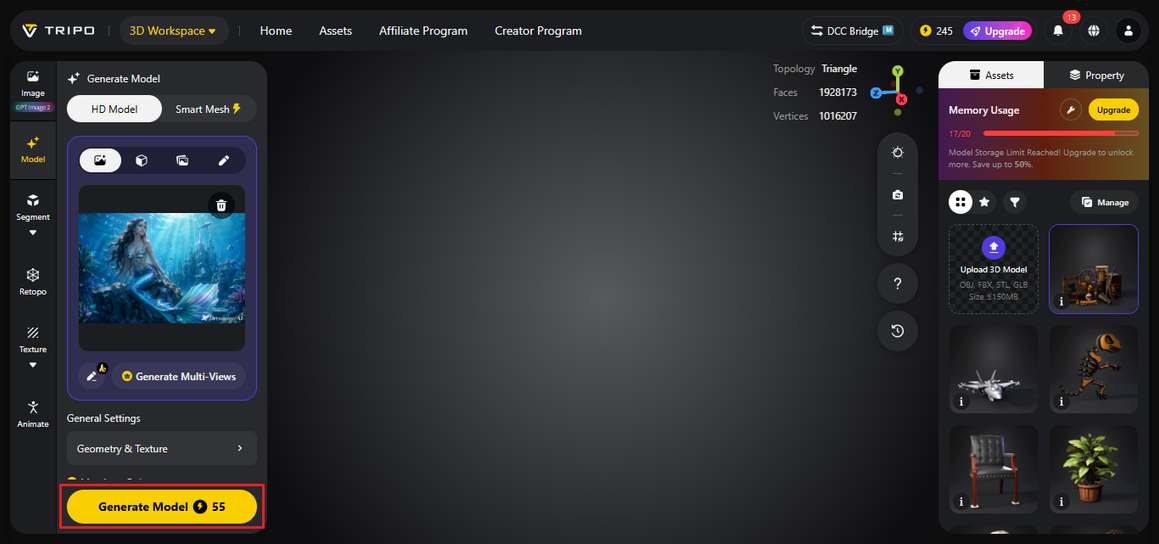
Step 3: Generate & refine
Once the previous step is completed, click the generate button. After that, use the refinement tools to make improvements, including corrections and additions. Refinement features enhanced with 3D AI will help make the model more accurate while preserving its biological nature.
Step 4: Export
When all the refining is done, export the file. In addition to STL, OBJ, FBX, GLB, and USD formats, you can save the file in the STL format using images to STL, to produce 3D models to use as educational materials.
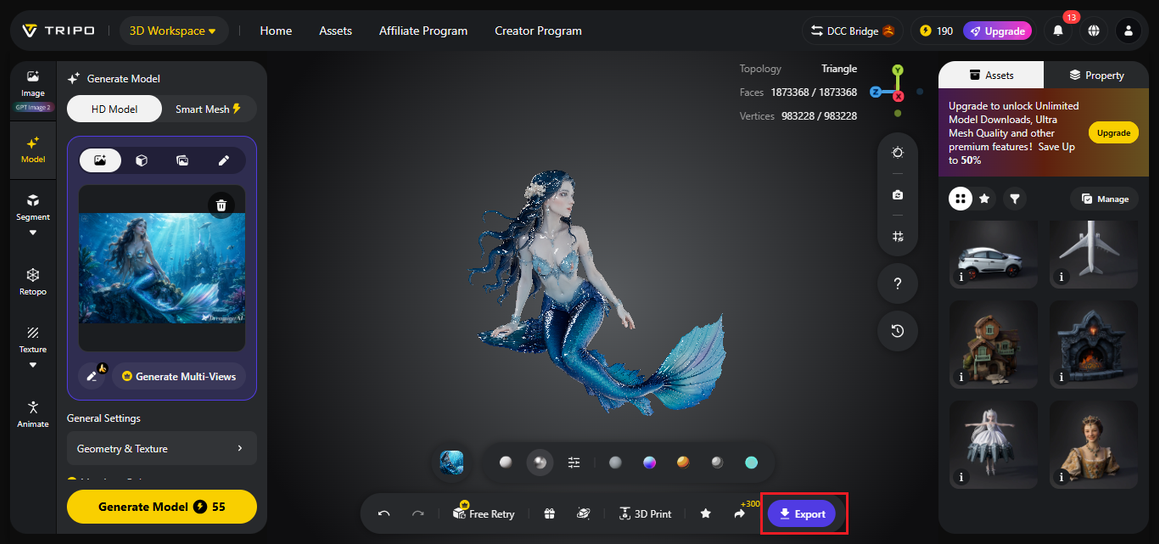
Advancing marine research communication through digital innovation
The world of scientific communication continues to develop fast. Scientists have been deprived of using images or writing as the only tools for demonstrating discoveries.
Tripo 3D offers an opportunity to transform marine data and turn it into interactive visual materials that can be useful for a number of audiences.
Transforming images taken from marine life into learning tools
Scientists have been able to capture numerous images from their time underwater, which can be turned into effective learning tools. The process of converting image to STL makes it possible for the photos to be printed into 3D representations of the creatures found underwater. This way, people will be able to better analyze their anatomies and gain more information about the rich variety of sea life.
Helping to collaborate internationally in marine science
Scientists involved in marine research usually do so in international teams. Digitization contributes to making the work of the researchers easier since all findings can be instantly shared online and accessed by different institutions.
Using digital models with standard 3D assets helps scientists to collaborate successfully, compare the structure of different species, and create unified databases that will allow further research.
Exploring marine ecosystems in depth with the help of Tripo 3D
Marine ecosystems play an important role in maintaining the balance on Earth. Still, it is hard for the general public to get acquainted with them.
With the help of digitalization, organizations can transform underwater photographs of different species and create visual models that can contribute to education, science, and even conservation.