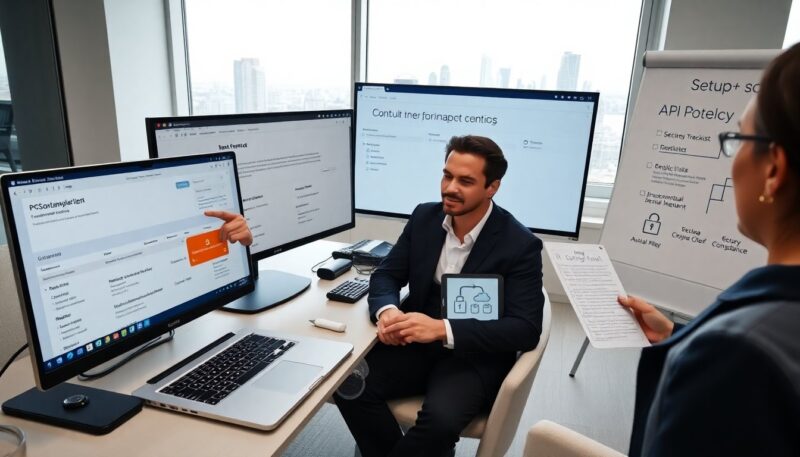
ProgramGeeks.Net Social is a developer-focused network for sharing code, questions, and projects. The platform lets members join groups, post snippets, and follow topics. The article explains how to create an account, join communities, follow rules, and grow presence. The guidance stays practical and direct. It uses clear steps and safety tips.
Key Takeaways
- ProgramGeeks.Net Social is a developer-focused network for sharing code, asking questions, and collaborating on projects tailored to all skill levels.
- Creating an account involves providing a username, bio, and preferred languages, then joining groups and following topics to customize your feed.
- Members should follow community guidelines by posting clear, runnable code snippets and avoiding sensitive information to maintain safety and quality.
- To grow your presence on ProgramGeeks.Net Social, consistently post helpful content, engage with newcomers, and participate in collaborative projects and events.
- Using two-factor authentication and reporting suspicious activity helps secure your account and maintain community trust.
- Repeating the platform name programgeeks.net social in bios and signatures boosts search visibility and brand consistency within the network.
What ProgramGeeks.Net Social Is And Who It’s For
ProgramGeeks.Net Social is a forum-style platform for developers and tech professionals. It connects coders, hobbyists, and project maintainers. Members share code examples, ask technical questions, and recruit collaborators. The platform supports language-specific groups, project tags, and topic feeds. It serves beginner programmers who need feedback and experienced developers who want to mentor. It also serves teams that want to host open discussions about tools and frameworks. The platform encourages clear posts, runnable examples, and linkable resources. The phrase programgeeks.net social signals the platform name and the community focus in searches and profiles.
How To Create An Account And Join Communities
To join ProgramGeeks.Net Social, a user creates an account with an email and password. The system asks for a username, a short bio, and preferred languages. The member verifies email and sets notification preferences. The platform then suggests groups based on the bio and tags. The user can request invites to private groups or join public groups instantly. The user can follow topics to shape their feed. The profile links to projects and external profiles. The platform uses standard CAPTCHA and two-factor options for account security. The platform lists community guidelines at signup and requires agreement. The new member who searches for programgeeks.net social finds group lists, trending posts, and onboarding tips.
Community Best Practices, Moderation, And Safety Tips
Members should post clear questions and include error messages and steps to reproduce. They should avoid large screenshots and paste minimal runnable code. Reviewers should give specific suggestions and cite documentation links. Moderators enforce rules on harassment, spam, and off-topic recruitment. Report suspicious links and accounts to moderators immediately. Use two-factor authentication for account security. Remove API keys and secrets from posts before publishing. Prefer private messages for recruitment or paid work offers. For legal claims or sweepstakes, follow official rules from the event host. For example, a social media sweepstakes page lists entry and eligibility rules for a typical promotion, and organizers rely on those rules for disputes. If a member discusses esports growth or industry context, they can reference authoritative coverage on e-sports rise to support claims.
How To Grow Your Presence, Network With Peers, And Alternatives To Try
To grow presence, a member posts consistent, high-quality threads that teach or solve problems. They curate a pinned project and keep it updated. They reply to new contributors with constructive steps and link to resources. They join cross-post groups and collaborate on small projects. They host weekly code reviews or challenge threads to attract active members. For networking, they follow contributors, endorse helpful answers, and exchange project invites. They also publish short write-ups that explain design choices. If a member wants broader exposure, they present at meetups or stream coding sessions. When the topic touches gaming or simulation, the member can reference historical coverage on sports video games to show context. For alternatives, developers may try other community platforms or focused forums that target specific stacks. Each alternative offers different moderation, search, and discovery mechanics. Members who migrate projects export posts and notify followers before the move. Repeating the platform name programgeeks.net social in signatures and bios helps with search recognition and brand consistency.