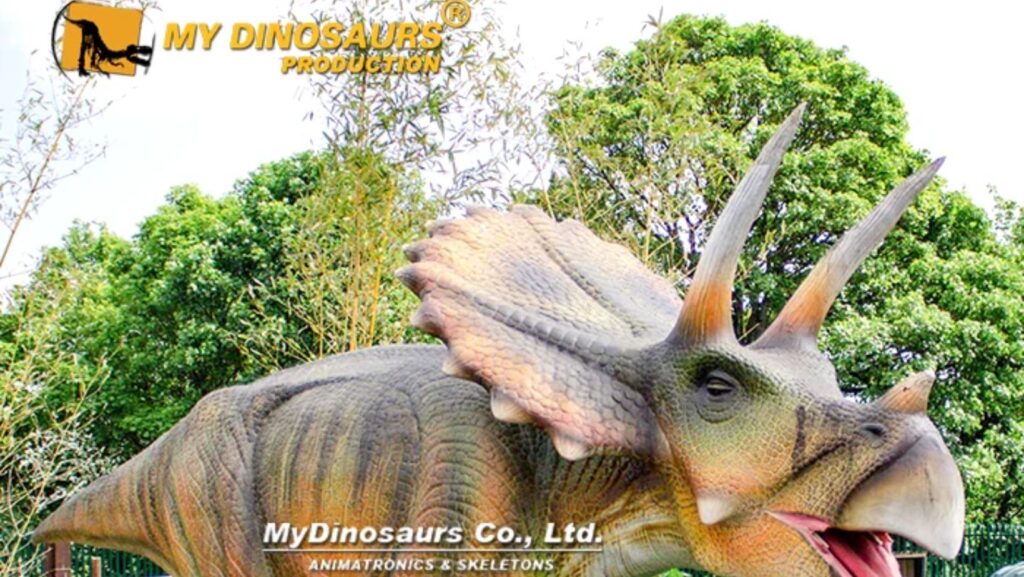
STEM (Science, Technology, Engineering, and Mathematics) education is becoming increasingly essential in preparing students for a future shaped by innovation. Yet many educators still struggle to make STEM learning engaging, accessible, and memorable especially for younger students who benefit from hands-on, visual experiences. One unexpected tool is helping bridge that gap: animatronic dinosaurs.
This is where a dinosaur animatronic becomes more than a museum attraction. These life-sized, moving replicas of prehistoric creatures offer a powerful way to connect scientific concepts with real-world engineering and technology. They turn abstract ideas such as mechanical systems, robotics, and biological structures into something students can see, hear, and visually understand. As a result, animatronic dinosaurs are becoming highly valued tools for museums, science centers, and educational programs worldwide.
Why Animatronic Dinosaurs Work So Well in Education
Educators across age groups often struggle with three persistent challenges:
- Keeping students engaged, especially in technical subjects
- Explaining complex scientific processes in a way that feels relatable
- Providing meaningful real-world examples of engineering and technology
Animatronic dinosaurs address all three by blending science, art, and engineering into a tangible, interactive experience.
Bringing Paleontology to Life Through Movement
Paleontology is often taught through fossils, textbooks, and illustrations. While these resources are important, they can feel abstract especially to students who learn best visually or kinesthetically. Animatronic dinosaurs transform static information into dynamic storytelling.
How They Enhance Paleontology Lessons
- Students can observe gait, posture, and size in a way 2D diagrams cannot convey.
- Movement helps explain muscle structure and biomechanics, making anatomy easier to visualize.
- Roars and behaviors demonstrate how dinosaurs may have interacted in their environments.
By creating an immersive sensory experience, animatronic dinosaurs deepen understanding and spark curiosity about prehistoric life.
Supporting Engineering and Robotics Education
Behind every animatronic dinosaur is an intricate system of motors, sensors, control boards, and programmable logic. This makes them ideal real-world examples of mechanical engineering and robotics concepts.
Teaching Opportunities Include:
- Mechanical systems such as hydraulics, pneumatics, and electric actuators
- Structural engineering, including load-bearing frames and rotational joints
- Programming and automation, which control the dinosaur’s movement sequences
- Human–machine interaction, requiring safety engineering and real-time response systems
Educators can use a dinosaur animatronic to demonstrate how engineering principles are applied on a large scale, helping students connect classroom lessons with practical technology.
Encouraging STEM Learning Through Curiosity and Emotion
Emotional engagement is one of the strongest predictors of long-term learning, especially in children. Animatronic dinosaurs naturally trigger excitement, wonder, and fascination emotions that strongly support memory retention.
Benefits for Students:
- Creates positive associations with STEM subjects
- Encourages students to ask questions and initiate discussions
- Makes lessons feel like exploration, not instruction
- Supports different learning styles (visual, auditory, kinesthetic)
When students are emotionally engaged, they are far more likely to absorb information and develop an interest in scientific fields.
Improving Accessibility and Hands-On Learning
Not all schools have access to fully equipped laboratories or advanced educational tools. Animatronic dinosaurs, when used in museum field trips or mobile STEM programs, offer hands-on exposure to STEM principles without requiring expensive equipment on campus.
Examples of Accessible STEM Applications
- Demonstrating how motors convert energy into motion
- Allowing students to observe control systems at work
- Showing how sensor technology automates natural movement
- Using models to explain material science such as silicone skin, steel frames, and foam structures
Through these practical demonstrations, STEM becomes less theoretical and more attainable.
Enhancing STEM Curriculum With Interdisciplinary Learning

STEM is strongest when it integrates multiple disciplines. Animatronic dinosaurs naturally create opportunities for:
| STEM Area | Educational Application |
| Science | Anatomy, paleontology, ecosystems |
| Technology | Sensors, control systems, automation |
| Engineering | Structural design, mechanics, material selection |
| Mathematics | Measurements, ratios, angles, motion calculations |
By combining art, storytelling, and science, these models encourage multidisciplinary problem-solving and creativity skills crucial for future careers.
Inspiring Careers in STEM Fields
Exposure to advanced technology at a young age can influence long-term academic paths. Animatronic dinosaurs introduce students to fields such as:
- Robotics
- Mechanical engineering
- Paleontology
- Computer science
- Special effects and animation
- Industrial design
- Materials engineering
Students realize that STEM careers extend far beyond laboratories they can shape entertainment, museum exhibits, and even creature design for films.
Real-World STEM Projects Built Around Animatronics
Schools and educational centers increasingly use dinosaur animatronics as anchors for larger STEM projects.
Project Ideas Include:
- Students designing their own simple robotic creature
- Analyzing the biomechanics of dinosaur movement
- Creating 3D-printed models inspired by the animatronic structure
- Programming small servo-driven models to replicate basic motions
- Comparing fossil structures to animatronic frames
These activities reinforce problem-solving, collaboration, and innovation.
Why Dinosaur Animatronics Are Especially Effective (vs. other STEM tools)
While robotics kits and virtual simulations are valuable, animatronic dinosaurs offer unique advantages:
| Feature | Why It Matters |
| Life-sized presence | Creates immersion and scale understanding |
| Multi-sensory experience | Visual, auditory, and movement-based learning |
| Strong emotional impact | Enhances memory retention |
| Interdisciplinary connections | Combines biology, engineering, art, and tech |
| Wide audience appeal | Engages children, teens, and adults alike |
Because dinosaurs already fascinate most learners, educators can leverage that interest to teach more complex STEM concepts.
Conclusion
Animatronic dinosaurs are far more than museum attractions they are powerful educational tools that bridge imagination and science. By integrating movement, sound, engineering, and natural history, these models make STEM concepts accessible, memorable, and exciting for learners of all ages. Students not only gain a deeper understanding of paleontology but also develop curiosity about robotics, mechanical systems, and technology-driven design.
As STEM education continues to evolve, tools that inspire creativity and critical thinking will become increasingly valuable. Dinosaur animatronics excel in this role by transforming theoretical lessons into real-world, interactive experiences. With the right educational framework, they can spark lifelong interest in science and engineering while helping shape the next generation of innovators.