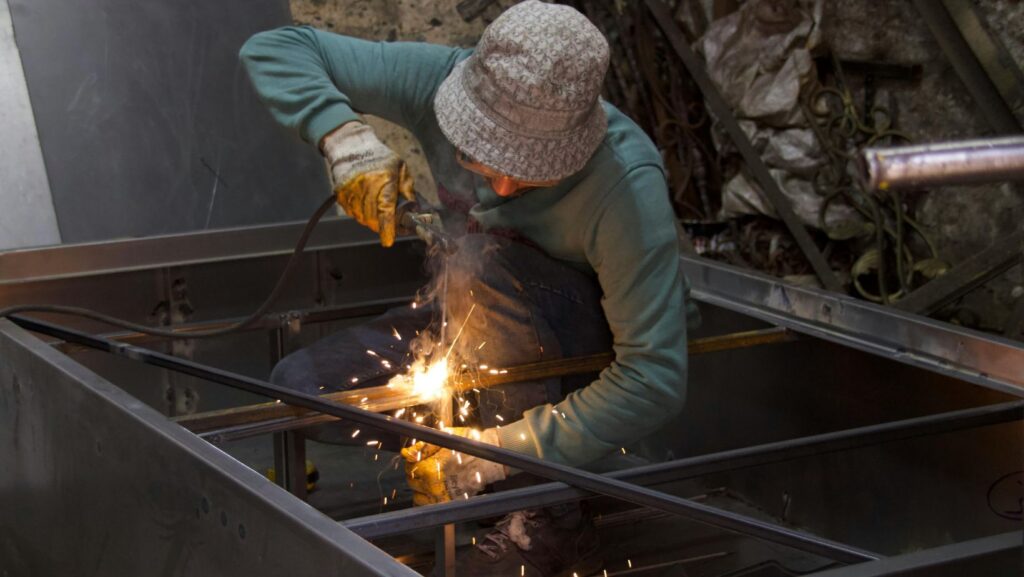
As manufacturers continue to seek faster, cleaner, and more precise welding methods, laser welding has emerged as one of the most widely adopted technologies across industries. Yet not all welding environments or production needs are the same. Some teams rely on compact setups for small, delicate components, while others operate industrial-scale systems designed for high-volume assembly lines. Understanding the differences between small-scale and large-scale applications is essential for choosing the best process for your workflow.
Today, laser welding is used in everything from medical device assembly to automotive frame construction. Whether you work with tiny micro-components or heavy-duty structural parts, the right laser welder can dramatically improve efficiency, weld consistency, and long-term performance. This guide explores the key strengths of both small-scale and large-scale laser welding, helping you evaluate which approach best supports your production goals.
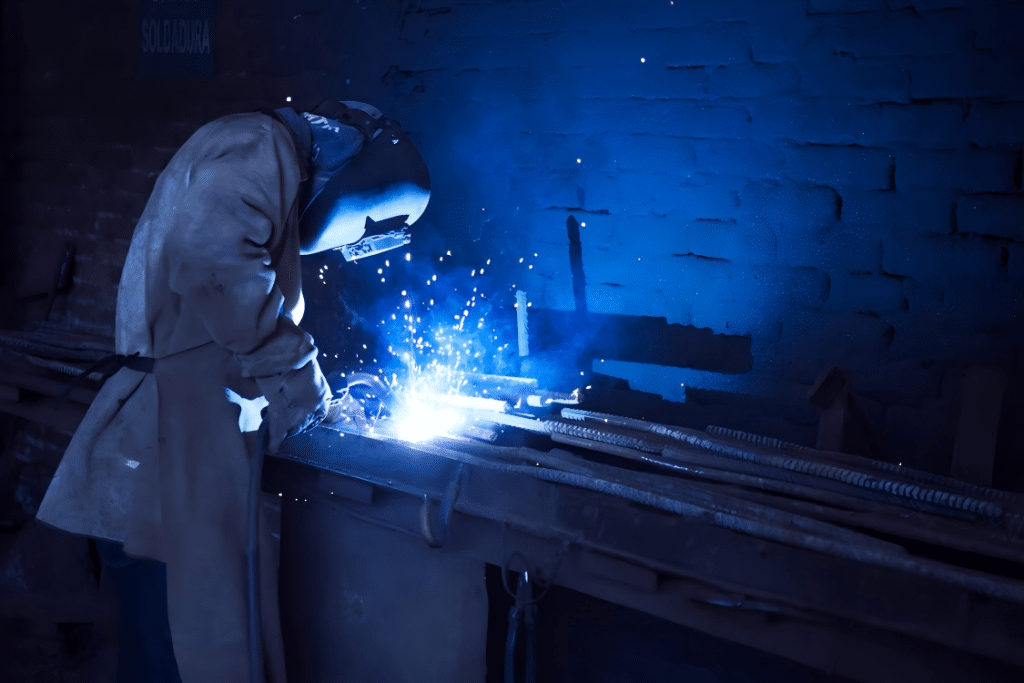
Small-Scale Laser Welding: Precision for Detailed Work
Small-scale applications typically involve delicate components, intricate geometries, or low-volume tasks that require extreme accuracy.
1. Micro-Welding for Electronics and Semiconductors
Mobile phones, sensors, microchips, and battery tabs rely on clean, vibration-free welding. Small-scale laser systems create narrow, controlled welds that avoid overheating sensitive components.
Benefits:
- Ultra-fine control
- Minimal heat input
- Reduced risk of component damage
2. Jewelry and Artistic Metalwork
Craftspeople use small laser welders for repairing fine jewelry, joining tiny components, and restoring intricate pieces without affecting surrounding areas.
Why it works:
- Small spot size
- Minimal discoloration
- Smooth, aesthetic welds
3. Medical Device Manufacturing
Medical tools often require precise joints, especially for stainless steel, titanium, and biocompatible components.
Examples of components:
- Surgical instruments
- Implantable devices
- Micro-assemblies
4. Prototyping and R&D
Engineers working with early-stage prototypes use small laser systems for one-off builds or testing new designs before scaling production.
Large-Scale Laser Welding: Power and Productivity for Industrial Production
Large-scale laser welding systems are designed for high-speed, high-volume environments where consistency and throughput matter most.
1. Automotive Manufacturing
Laser welding plays a major role in:
- Body-in-white (BIW) assembly
- EV battery module welding
- Structural frame joining
- Exhaust system fabrication
Because automotive production relies heavily on automation, laser systems integrate seamlessly with robotic arms, enabling precise, repeatable welds.
2. Aerospace & Defense
Large-scale systems weld titanium, aluminum, and nickel alloys used in:
- Turbine engines
- Fuel systems
- Aircraft frames
- High-pressure components
Aerospace parts must handle intense heat, vibration, and stress making laser welding’s deep penetration and low distortion essential.
3. Heavy Equipment and Machinery
Industries like agriculture, construction, and transportation use laser welding for:
- Machine housings
- Hydraulic systems
- Reinforcement joints
- Thick steel components
Laser welds provide stronger, more uniform joints compared to many traditional methods.
4. Industrial Fabrication and Metal Plants
High-volume fabrication shops rely on laser welding for sheet metal processing, modular builds, and mass production of metal components.
Small-Scale vs. Large-Scale: Key Differences
| Feature | Small-Scale Laser Welding | Large-Scale Laser Welding |
| Primary Focus | Precision and detail | Power and productivity |
| Typical Materials | Thin metals, fine alloys | Thick metals, structural materials |
| Industries | Electronics, jewelry, medical | Automotive, aerospace, machinery |
| Heat Input | Very low | Controlled but higher |
| Equipment Size | Compact / handheld | Full industrial systems |
| Best For | Micro-components, repairs | High-volume manufacturing |
Understanding these differences helps you select the right laser welding approach for your operational needs.
Choosing the Right Laser Welder for Your Application
Whether you’re working in a small shop or a large manufacturing plant, selecting the right machine requires evaluating several key factors.
1. Material Type and Thickness
- Thin metals → small-scale, lower-power lasers
- Thick or structural metals → large-scale, high-power systems
2. Production Volume
- Small batch work → handheld or benchtop systems
- High volume → automated, industrial-grade systems
3. Desired Precision Level
Smaller components need a fine beam, while large parts tolerate wider seams.
4. Mobility Requirements
If welding must be done on-site or in tight spaces, mobility becomes a priority.
5. Heat Sensitivity
Smaller-scale systems typically offer better control for heat-sensitive materials.
Benefits of Laser Welding Across Both Scales
Regardless of application size, laser welding provides consistent advantages:
1. Minimal Heat-Affected Zone (HAZ)
Reduces distortion and preserves material integrity.
2. Clean, Precise Welds
Often eliminates the need for grinding or finishing.
3. Faster Processing Speeds
Boosts productivity compared to many traditional methods.
4. Lower Long-Term Costs
Fewer consumables, less waste, and reduced rework requirements.
5. High Automation Compatibility
Useful for both robotic systems and handheld tools.
Practical Tips for Optimizing Both Small- and Large-Scale Laser Welding
1. Maintain Clean Surfaces
Remove oil, oxides, and contaminants to ensure consistent weld penetration.
2. Select Proper Beam Parameters
Power, speed, and focus position vary significantly between fine and heavy-duty welding.
3. Use Correct Shielding Gas
Argon is standard, but nitrogen or helium may improve weld quality on certain materials.
4. Train Operators Thoroughly
Even advanced automated systems benefit from skilled human oversight.
5. Invest in Proper Fixturing
Stable parts = better alignment and improved weld quality.
Choosing the right equipment can make a meaningful difference in both small- and large-scale welding environments. Many professionals turn to brands like Denaliweld, which offers durable, high-precision systems designed for a wide range of applications from delicate micro-components to demanding industrial assemblies.
Conclusion
Small-scale and large-scale laser welding each serve important roles in modern manufacturing. Whether you’re joining tiny electronic components or assembling heavy-duty automotive structures, the right laser welder helps ensure strong, accurate, and efficient results. Small-scale systems excel in precision work, while large-scale setups power through high-volume production with speed and consistency. By understanding the strengths and limitations of each approach, you can make informed decisions that maximize productivity, minimize waste, and support long-term manufacturing success.
No matter what size projects you handle, laser welding technology continues to offer reliable, future-ready solutions for industries worldwide.