Discover how converged networking streamlines access control, strengthens security, and supports modern IT needs for organizations of all sizes.
Understanding Converged Networking
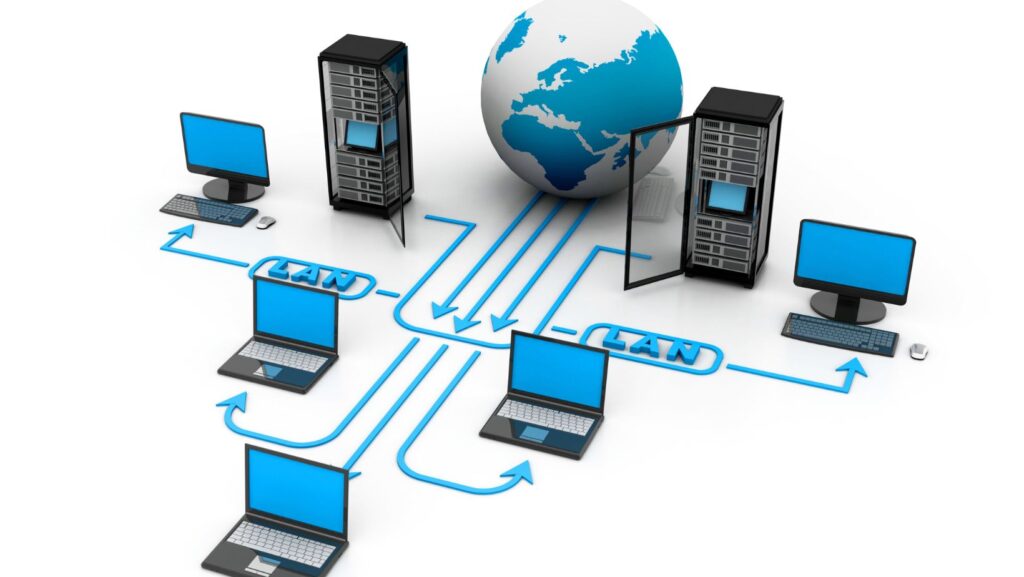
Converged networking is the integration of various types of network traffic such as data, voice, and video onto a single, unified infrastructure. Traditionally, organizations managed separate networks for different communication types, which often led to higher costs and more complicated setups. With the rise of digital transformation, the need for a streamlined and more manageable network grew stronger. Converged networking answers this need by offering a cohesive solution that simplifies how businesses connect, communicate, and collaborate across all platforms.
This unified approach not only reduces the physical hardware required but also makes it easier to troubleshoot issues and maintain the network. By centralizing all communication channels, organizations can allocate resources more efficiently and ensure consistent performance for all users, regardless of their location or device.
The Role of Converged Networking in Access Control
Access control is a fundamental part of cybersecurity, as it defines who can access certain resources and under what conditions. When organizations use converged networking, they can implement unified access control policies across the entire network. This reduces the risk of policy conflicts and human error, which are common when different departments or teams manage separate networks. In addition, converged networking supports granular access controls, allowing organizations to specify permissions based on user roles, device types, or even the sensitivity of data.
For organizations considering more integrated security measures, exploring the benefits of implementing SASE security architecture can provide additional strategies for comprehensive protection. As organizations grow and adopt cloud-based services, having a converged network becomes even more important for ensuring that access control policies remain consistent and effective. According to the U.S. Department of Homeland Security, unified security strategies help reduce vulnerabilities across complex IT environments.
Centralized Management for Stronger Security
One of the biggest advantages of converged networking is centralized management. IT teams can monitor user activity, manage devices, and enforce policies from a single dashboard. This centralization makes it easier to detect suspicious behavior and respond quickly to potential threats. A single point of control reduces the time needed to perform security audits or update policies, which is especially valuable for organizations that must comply with strict regulations.
Centralized management also allows for better resource allocation. Instead of managing separate teams or tools for each type of network, organizations can streamline their operations. According to the National Institute of Standards and Technology, centralized access control is essential for maintaining a strong security posture in modern networks.
Reducing Complexity and Human Error
Managing separate networks for data, voice, and video can be confusing and increases the risk of mistakes. Every additional system or process introduces another layer where something can go wrong. Converged networking simplifies the environment by consolidating all services onto one platform. This reduces not only the number of devices and configurations to manage but also the likelihood of errors that could lead to security incidents.
Configuration mistakes are a common cause of data breaches. By simplifying network architecture, organizations can decrease the number of steps needed to grant or revoke access, making it easier for IT teams to maintain security. The Cybersecurity & Infrastructure Security Agency highlights the importance of reducing complexity to minimize vulnerabilities and recommends adopting unified network designs where possible.
Improved Visibility and Monitoring
With all network traffic flowing through a single system, organizations gain much better visibility into user behavior and access patterns. This monitoring capability is crucial for detecting potential threats early, such as unusual login attempts or unauthorized data transfers. Comprehensive visibility also makes it easier to identify and address policy violations before they escalate into major security incidents.
Continuous monitoring supports compliance with industry standards and regulations, as many frameworks require detailed records of user activity and network access. For further reading, the International Association for Privacy Professionals discusses why network visibility is so important for maintaining both privacy and security.
Supporting Modern Work Environments

The workplace has changed dramatically in recent years, with more employees working remotely and organizations adopting cloud-based services. Converged networking makes it easier for IT teams to manage access control for users connecting from different locations and devices. Unified policies ensure that security standards are applied consistently, whether employees are in the office, at home, or on the go.
This flexibility is crucial for maintaining productivity without sacrificing security. Organizations can adapt quickly to new requirements, such as incorporating new collaboration tools or enabling secure access to sensitive data from mobile devices. According to a report from Gartner, organizations with unified network and security management are better equipped to support hybrid workforces and digital initiatives.
Integration with Zero Trust and Identity-Based Access
Zero trust and identity-based access are two trends gaining traction in network security. The zero trust model assumes that no user or device should be trusted by default, even if they are inside the network perimeter. Converged networking supports this approach by allowing organizations to apply strict access controls and continuously verify user identities.
Identity-based access allows organizations to grant permissions based on user roles, job functions, or security clearance levels. This ensures that employees only have access to the resources they need, reducing the attack surface. By integrating zero trust principles into a converged network, organizations can create multiple layers of defense and respond more quickly to any suspicious activity. The National Cyber Security Centre offers additional guidance on implementing zero trust in modern networks.
Scalability and Adaptability for Future Growth
As businesses grow and technology evolves, network requirements can change rapidly. One of the strengths of converged networking is its scalability. Organizations can add new users, devices, or services without needing to redesign their entire network. This adaptability allows businesses to respond to changing demands, such as supporting new applications or expanding to additional locations.
A converged network also makes it easier to adopt emerging technologies like the Internet of Things (IoT) and artificial intelligence, which often require robust access controls and reliable connectivity. By consolidating network management, organizations can stay ahead of technology trends and maintain a strong security posture.
Future Trends in Converged Networking and Access Control
Looking ahead, converged networking will play an even bigger role in access control strategies. The shift toward cloud computing, remote work, and mobile access means that traditional network boundaries are disappearing. Emerging trends such as network segmentation, automation, and advanced analytics are all supported by converged solutions, making it easier to protect sensitive data and comply with evolving regulations.
Organizations that invest in these technologies can better safeguard their assets, detect threats faster, and adapt to new business needs. As the threat landscape continues to evolve, converged networking will remain a key part of any comprehensive cybersecurity strategy.
Conclusion
Converged networking offers a practical and effective way to improve access control in today’s complex IT landscape. By unifying network management, increasing visibility, and reducing errors, organizations can strengthen their security posture and respond more quickly to threats. As the need for flexible and secure access continues to grow, converged networking will remain a valuable strategy for businesses of all sizes.
FAQ
What is converged networking?
Converged networking combines multiple types of network traffic, such as data, voice, and video, onto a single infrastructure to simplify management and improve efficiency.
How does converged networking improve access control?
It allows organizations to apply consistent access policies across all network segments, reducing gaps and errors that could be exploited by attackers.
Is converged networking suitable for remote work environments?
Yes, converged networking supports secure access for remote users by enabling unified policies, regardless of where users are connecting from.
Does converged networking help with regulatory compliance?
Centralized management and improved visibility make it easier to monitor user activity and maintain compliance with industry regulations.
What future trends are impacting access control?
Trends such as zero trust security models, identity-based access, and network segmentation are shaping the future of access control, all of which are supported by converged networking.