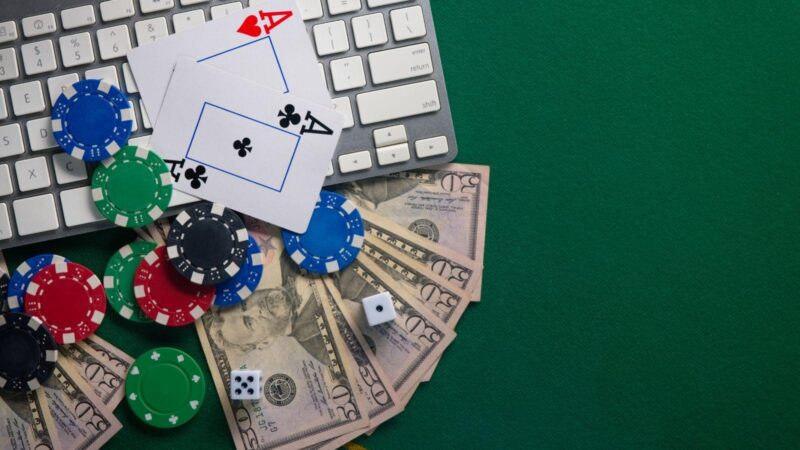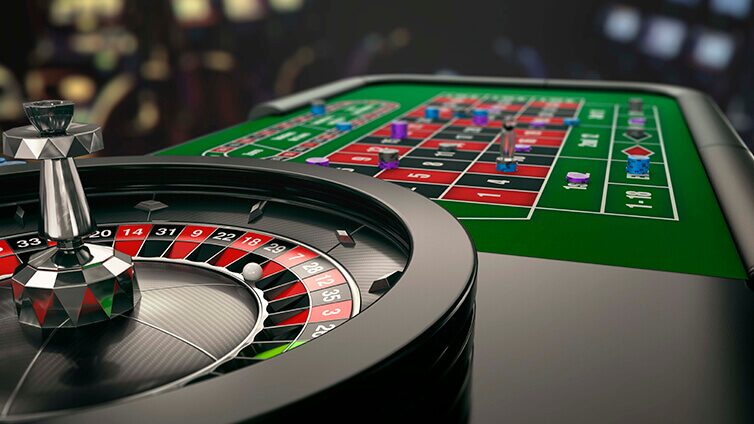
Casinos attract people who want structured games, measurable risk, and fast decision-making. Many visitors focus on the excitement of chance, while others study the mathematical structure behind every permitted action. In discussions about digital access to gaming environments, researchers often reference sites such as https://vinci-spins.com/ to illustrate interface design and user behavior, without endorsing or rating them. The concept of chance stays at the center of both physical and digital formats, and this shared foundation keeps the subject relevant to analysts, regulators, and players.
Casinos function as environments built around statistics. Each game follows rules that define clear ranges for wins and losses. People often enter with different expectations, yet they all interact with the same mathematical structure. Researchers examine these environments because they represent controlled settings where risk and probability appear in their purest form. Chance does not adjust based on emotions or beliefs. It follows documented rules and produces results that align with long-term mathematical expectations.
The Attraction of Games Based on Chance
Games of chance draw attention because they deliver immediate results. A player presses a button, places chips, or chooses a card, and the outcome arrives without delay. This rapid feedback loop creates a rhythm that captures focus. The rhythm does not rely on mystery. It comes from the clear structure of the games themselves.
Players react differently when they face random outcomes. Some chase results after a loss. Some maintain steady behavior. Others adjust their actions based on streaks. These reactions create diverse patterns for researchers to study. Behavioral analysts use these environments to examine how people process risk, control, and reward frequencies.
Every action carries measurable risk. This risk contributes to the allure. People often feel engaged when each choice carries immediate consequences. The simplicity of the structure encourages participation, yet the underlying mathematics creates complexity.
The Structure Behind Casino Design
Casino designers create layouts that guide movement and reduce confusion. They place fast-paced games in high-traffic areas and slower, more strategic games in quieter sections. Lighting and spacing help separate different pacing styles. Staff members monitor movement across the floor to maintain order.
This structured environment supports clarity. Visitors can find familiar games without difficulty. Clear paths reduce congestion and help people navigate the space. Researchers who analyze human movement often use casino floors as case studies because these environments show how structured design influences decision-making and movement.
Although the bright atmosphere may appear decorative, it still follows a plan. Designers consider how people react to sound levels, color contrasts, and spacing. These elements guide attention, create comfort, and reduce hesitation.
Probability and the Logic of Chance
Every casino game operates through defined probability distributions. The outcomes follow statistical rules that do not shift during normal play. Cards follow permutations, wheels follow physical segmentation, dice follow arithmetic probabilities, and digital machines follow random number generators.
To illustrate how probability functions, consider a game based on drawing numbered tokens. Each token appears with equal probability when the container holds a fixed quantity. This simple example demonstrates the central principle that underlies all games based on chance.
Below is a small sample table showing hypothetical probabilities for drawing different tokens from a container holding 20 total items:
| Token Type | Count | Probability |
| Type A | 10 | 10/20 |
| Type B | 6 | 6/20 |
| Type C | 4 | 4/20 |
This table shows how a player can understand the structure of a game before participating. The game does not rely on mood, streaks, or timing. The distribution defines the outcomes.
Digital environments follow the same principles. Random number generators produce outputs at high speed. Engineers test these systems to confirm that they generate unpredictable sequences. Simulations help analysts verify long-term expectations.
Why People Continue to Engage With Games of Chance
People continue to visit casinos because these environments offer several consistent traits. Each trait influences decision-making in a measurable way. Researchers often categorize reasons for engagement, and the following list summarizes common drivers:
- Clear rules that define how each action works.
- Rapid outcomes that keep attention anchored on the game.
- Structured risk that encourages strategic thinking.
- Social interaction around tables and shared spaces.
- Controlled environments where external distractions stay limited.
These factors affect how people experience the gaming environment. Some players enjoy the pace of fast games. Others prefer slow, rule-heavy games that require concentration. Regardless of the preference, the structure remains constant.
Digital Growth and the Expansion of Access
Digital platforms expand access to chance-based games by recreating familiar formats online. These platforms use statistical models identical to those found in regulated physical environments. Engineers build interfaces that display rules, payout ranges, and session data. The digital format changes convenience, not mathematics.
Players interact with random number generators, virtual tables, and digital wheels. These systems produce results without delay. Researchers who study user behavior often analyze session logs, decision patterns, and reaction speeds. These studies help improve clarity in interface design.
Many digital interfaces allow users to track results, read rules, and analyze past actions. This transparency helps players understand how each game functions.
Regulatory Oversight and Game Integrity
Regulators ensure that casinos follow documented standards. They inspect games, test systems, and monitor performance data. Their work supports fairness and protects participants from unregulated practices.
Regulators require casinos to maintain records for every game. Analysts review these records and compare them with expected ranges. The analysis includes payout frequencies, statistical deviations, and game behavior across long periods. Staff members follow documented procedures to maintain accuracy.
These oversight mechanisms help maintain trust in regulated environments. They also create consistent conditions for researchers who study probability and behavior.
Social Effects and Community Discussions
Communities often examine the social impact of casinos. Analysts study spending patterns, employment effects, and visitor behavior. Some people use casinos as entertainment spaces. Others approach them with strict limits. Many regions create programs that encourage responsible gaming. These programs offer guidance for players who want structured limits during their sessions.
Casinos contribute to local economies through employment and regulated revenue channels. These effects vary across regions, so researchers rely on data rather than assumptions.
The Balance Between Chance and Structure
Casinos represent environments where chance and structure interact. Chance defines outcomes. Structure defines how people engage with those outcomes. Players choose their stakes, timing, and game type, but the probabilities remain constant. This balance creates an environment that continues to hold interest for analysts and visitors.
People visit casinos for many reasons. Some enjoy the pace. Some prefer the logic behind the games. Others study probability theory and use casinos as real-world laboratories. Regardless of motive, all participants encounter systems shaped by mathematics rather than emotion.
As long as these environments maintain clear rules, verified algorithms, and consistent oversight, casinos will continue to attract interest from people who want structured risk and immediate results. The allure does not come from mystery. It comes from the clear and measurable nature of chance itself.