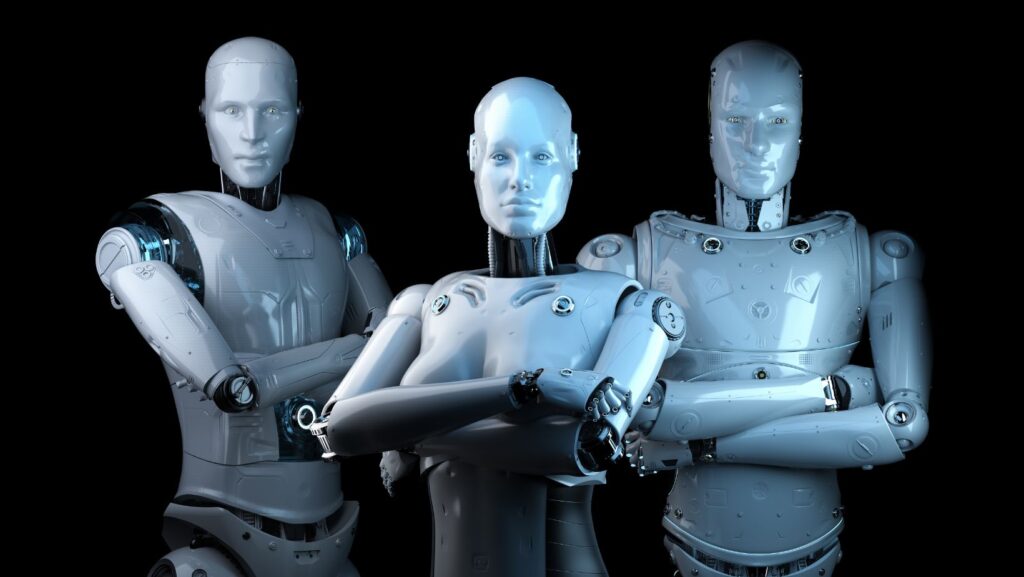
From tech startups to online casinos like NV Casino, the fast-advancing nature of AI and robotics is reshaping several industries globally. The latest revolutionary developments involve machines designed as humans in terms of capability and body resemblance. The high-end advancements will soon bring new revolutionization into the workplace in performing jobs that need intelligence and human-associated skills.
Their integration into various industries creates new opportunities for efficiency, safety, and productivity. However, it also raises concerns about job loss, ethics, and economic impact. This article looks at how humanoid robots can change the concept of the workforce. How? Through impacts on automation, productivity, and more. Read on!
The Role of Humanoid Robots in Automation
Automation has been the basis of industrial advancement for decades, while robotic humanoids take this to another dimension with complex jobs usually done by humans. They differ from typical machines designed for specialized jobs in their ability to operate in different environments, interact with tools, and cooperate with people. Key areas of automation:
- Manufacturing: Humanoids can fabricate products, check their quality, and do maintenance; hence, much human error gets reduced, providing better efficiency overall.
- Health care: Surgical assistance, elder caregiving, therapy, and rehabilitation using assistive robots decrease the workload and burden on caretakers and nurses.
- Retail and hospitality: Receptionist robots serve customers by handling inquiries and billing and provide services in management-related areas at hotels and restaurants.
- Logistics and delivery: Autonomous robots can manage warehouses, sort packages, and deliver goods to customers, speeding up supply chain operations.
By carrying out repetitive and heavy tasks, humanized devices can improve productivity and reduce workplace accidents. However, their widespread implementation also raises concerns about job losses that must be addressed through policy and workforce adaptation.
Job Creation and New Employment Opportunities
Automation, while traditionally raising red flags for job displacement, also brings new avenues for employment in fields that may not have been considered. An increase in humanoid robots would call for a skilled workforce to develop, program, and maintain these machines. New career avenues in robotics:
- Robotics engineers: They design and develop humanoids for various industries.
- Data analysts: Use metrics on robotics performance to fine-tune workflows.
- AI specialists: They create and improve machine learning algorithms to make the robots intelligent.
- Robot maintenance technicians: Keep robots running at a high degree of efficiency and diagnose malfunctions of any type.
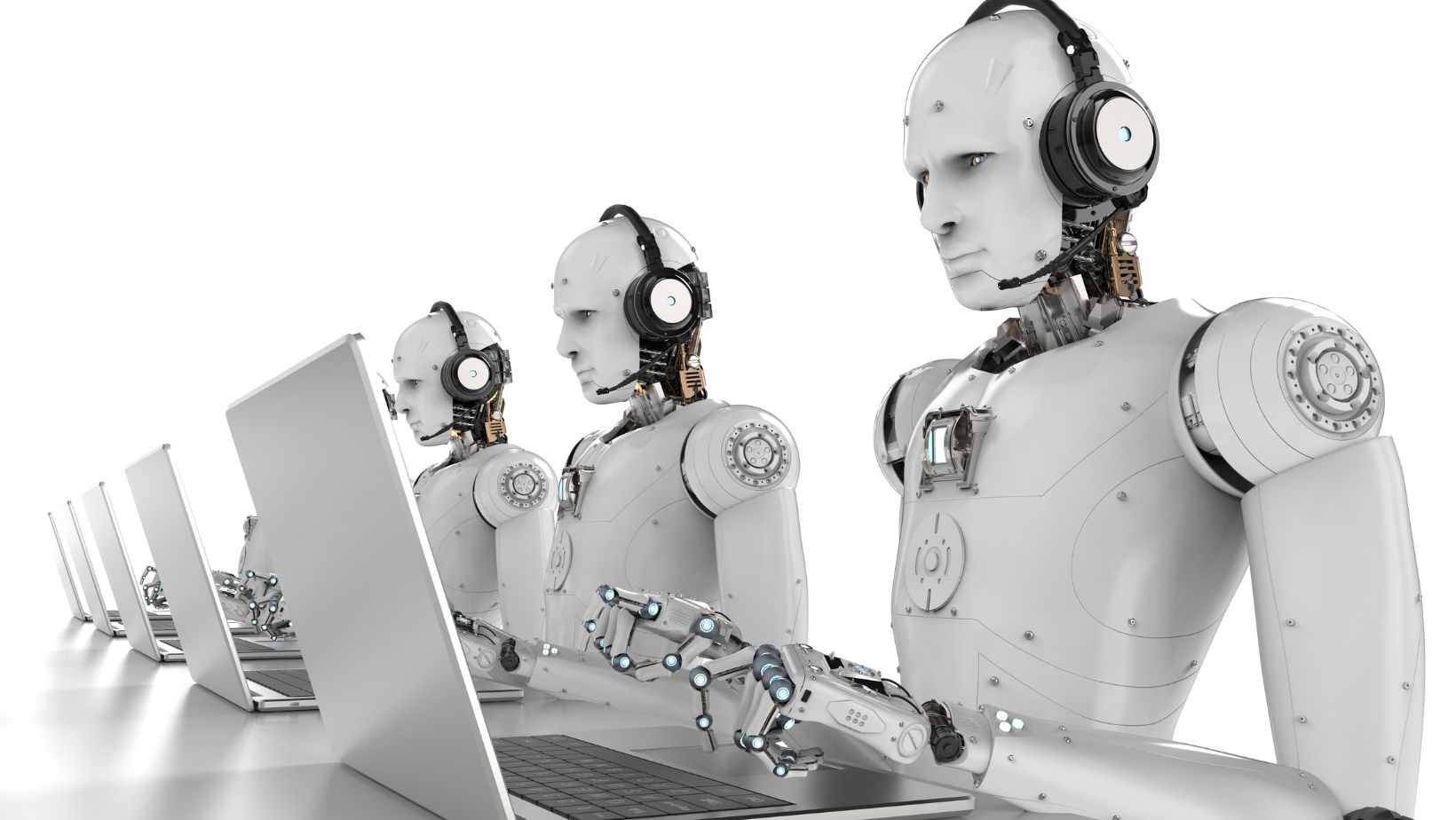
Moreover, most of the time, robots complement, rather than replace, human labor. Since they usually do tedious, dangerous, and physically demanding jobs, they free humans for more strategic, creative, and interpersonal ways of doing work.
Ethical and Social Considerations
With the integration of humanoid robots into the workforce, several ethical and social questions arise. Yet, with the benefits also come challenges that must be met to have a fair and responsible transition.
Ethical issues:
- Job displacement: How will society ensure that those workers who are being displaced find new opportunities?
- Data privacy and security: With robots having AI and sensors, such information is collected, and its protection against data breaches remains a question.
- Human-robot interaction: If the humanoid robot does a perfect simulation, must it have any rights, such as legal ones, or, in some instances, rules for governing?
Social impacts:
- Economic inequality: Is robotic automation a way in which large corporations might heighten inequality between those who do or can eventually afford and control technological robots?
- Psychological consequences: Without traditionally viewed positions and occupations held by human individuals, are motivational or identity disturbances some issues?
Solutions to these challenges will have to be elaborated through coordination across governments, technology companies, and labor organizations to advance equity, safety, and social welfare principles.
Changing Skill Requirements in the Workforce
As a result of the increasing number of humanoids, the structure of skills within the workforce will inevitably have to evolve. Automation eliminates routine work and requires workers to learn new, relevant job-market skills.
Key skills of the future workforce:
- Technical skills: Basic coding, AI literacy, and robotics operation will be necessary for most forms of employment.
- Problem-solving and critical thinking: The ability of the worker to think through challenges and work effectively with robots.
- Interpersonal and emotional intelligence: While robots perform technical tasks, human workers must concentrate on leadership, communication, and customer relationships.
- Lifelong learning: Continuous education and training programs would be imperative to keep abreast of technological advancements.
Governments and educational institutions should join in implementing reskilling initiatives to prepare the workforce for humanoid robots’ great contribution to the future.
Increased Productivity and Efficiency
Humanoids will increase efficiency by using precision, consistency, and speed in operation. Unlike human workers, they do not need breaks, vacations, or sleep; hence, they can have businesses running 24/7. They allow for the procession of massive data in real time, hence offering enterprises better decision-making and quicker problem-solving.
Benefits due to increased productivity:
- Faster production cycles: Robots speed up manufacturing and assembly processes, reducing product time-to-market.
- Error reduction: Equipped with advanced AI and machine learning, robotic humanoids minimize mistakes to ensure high-quality output.
- Cost savings: Companies can save on labor costs in the long run by investing in robotic automation.
For example, Tesla and Amazon have embraced robotics in their productions, increasing efficiency and reducing human labor in repeated tasks. However, a balance between automation and human involvement must be struck if job markets are to remain stable.
The Future of the Workforce With Humanoid Robots
Humanoids are here and will be around for a long time; hence, we need to look into the future. One thing for sure is that we can expect them in more forms as they infiltrate the workforce. New and emerging industries that seek exponential growth would surely resort to the services of these machines.
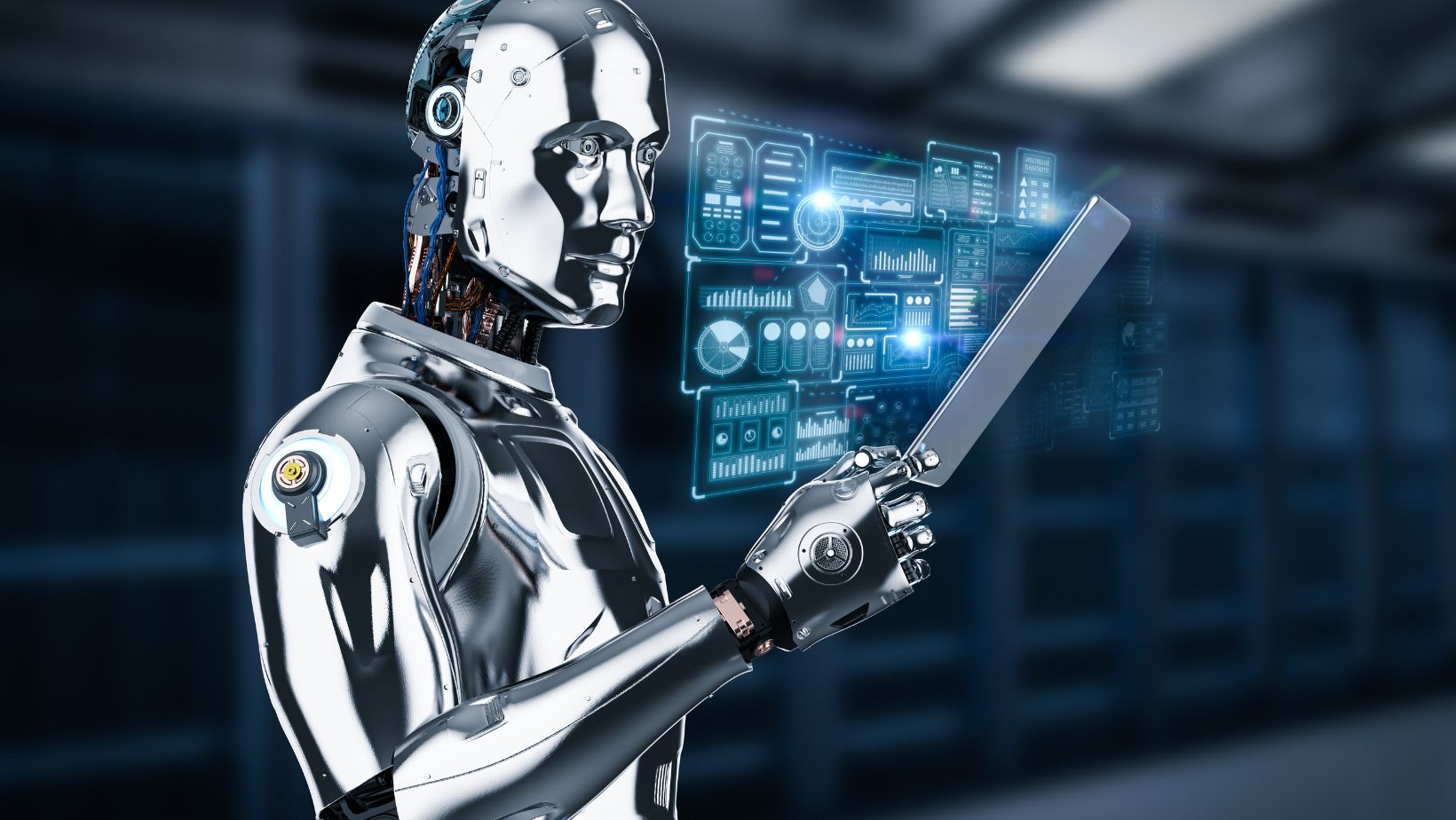
The future of the workforce:
- Ethical AI regulations: Policymakers will responsibly regulate the use of AI and robotics in the workforce.
- Cooperation between humans and robots: In hybrid groups, robots cooperate with humans while combining human ingenuity with precision from robots.
- Emergence of a “Robot Economy”: The demand for robot-related industries will increase, creating new markets and investment opportunities.
- Universal basic income discussions: Government efforts to provide financial support to the general population could be one way to moderate the impact of lost jobs.
Only time can tell whether and how humanoids will impact the workforce and global economies.
Balancing Automation and Human Collaboration in the Workforce
Humanoid robots replace employment opportunities since they are strong enough, but in the future, they seem to reshape the face of employment with more productive work by automatizing many things.
Although fears persist about lost jobs, ethical issues, and social implications, humanoid robotics, with accumulated efficiencies, safety, and economic growth, has several benefits that one cannot deny. It requires collaboration and government action in businesses to reskill workers, lay down codes of ethics, and make technology accessible equitably.
By embracing such transformation responsibly, society will be capable of realizing a future where humans and robots coexist to create a dynamic, innovative, and prosperous workforce.