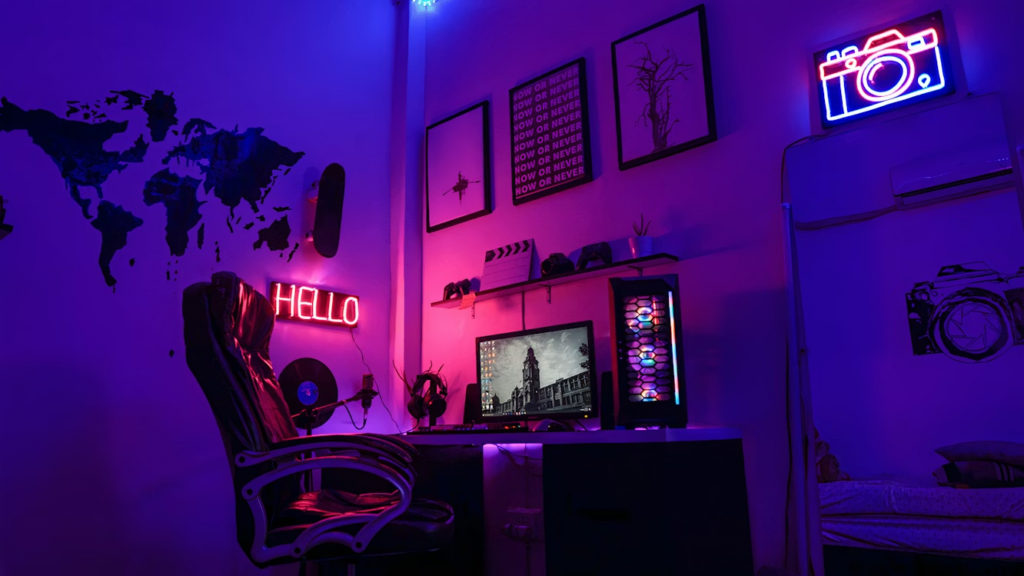
Independent game development has become one of the most innovative areas in the gaming industry, with small teams and solo creators producing titles that compete with major studios in creativity and technical quality. Many developers now rely on custom-built systems to handle demanding workflows, and resources that explain gaming pc financing are helping new creators access high-performance hardware without delaying their projects. As development tools become more advanced and game engines require stronger processing power, custom gaming PCs are giving indie developers the flexibility and performance they need to build ambitious games from home studios and shared creative spaces.
The Growing Technical Demands of Indie Game Development
Modern indie games are far more complex than they were a decade ago. Developers are now working with advanced lighting systems, realistic physics, open-world mechanics, and high-resolution assets that require serious computing power. A standard office computer often struggles to keep up with these processes, especially when multiple development tools are running simultaneously.
Custom gaming PCs allow developers to select hardware that matches their specific needs. A game designer focused on 3D rendering may prioritize a powerful GPU, while a programmer compiling large projects may benefit more from a high-end processor and increased RAM capacity. This level of customization helps indie teams avoid unnecessary limitations during development.
Faster Workflows Improve Creative Productivity
Game development involves constant testing, rendering, compiling, and debugging. Slow hardware can interrupt creative momentum and force developers to spend valuable time waiting for systems to catch up. Over time, these delays can significantly slow production schedules and reduce efficiency.
Custom gaming PCs help eliminate many of these workflow bottlenecks. Faster storage drives reduce loading times, faster processors improve compile times, and better graphics cards enable smoother real-time previews in modern engines like Unreal Engine and Unity. Developers can move between tasks more quickly and focus more attention on improving gameplay and design.
Advanced Graphics Require More Powerful Systems
Players now expect indie games to deliver visual quality that rivals larger commercial releases. Many successful indie titles feature detailed environments, cinematic effects, and advanced animation systems that place heavy demands on development hardware. This shift has increased the importance of reliable, high-performance gaming PCs in small studios.
A custom-built system enables developers to handle demanding graphical workloads more effectively. Powerful GPUs assist with rendering, texture processing, and lighting calculations, while high-refresh-rate monitors help developers identify visual issues during testing. These improvements allow indie creators to achieve professional-quality visuals without relying on expensive corporate infrastructure.
Streaming and Marketing Depend on Reliable Hardware
Modern indie developers are responsible for more than just creating games. Many also handle livestreaming, trailer production, community management, and social media promotion as part of their overall marketing strategy. These additional responsibilities place even greater pressure on their computer systems.
Custom gaming PCs make multitasking more manageable during live demonstrations and content creation. Developers can run editing software, streaming platforms, and game builds simultaneously without sacrificing performance. This helps indie studios maintain stronger connections with their audiences while promoting their projects across multiple digital platforms.
Flexible Hardware Supports Long-Term Growth
One of the biggest advantages of custom gaming PCs is the flexibility to upgrade. Indie developers often begin with limited budgets, but their hardware needs increase as projects grow in scale and complexity. Prebuilt systems can sometimes limit upgrade options, forcing creators to replace entire machines sooner than expected.
Custom systems allow developers to improve individual components over time. A creator might upgrade their graphics card for better rendering performance or add more memory to support larger projects without replacing the entire setup. This approach makes long-term development more affordable and helps indie teams scale their capabilities gradually.
Remote Collaboration Is Easier With High-Performance PCs
Many indie game teams work remotely with contributors spread across different locations. Artists, programmers, musicians, and testers often collaborate online while sharing large files and running cloud-based development tools. Reliable hardware is essential for keeping these workflows efficient and productive.
Custom gaming PCs provide the stability needed for modern remote collaboration. Faster internet support, improved multitasking performance, and stronger processing capabilities allow developers to work on large projects while maintaining smooth communication with team members. These systems help small studios operate with the same technical confidence as larger development companies.
The Future of Indie Development Will Continue To Rely on Custom PCs
The indie gaming industry continues to grow as digital distribution platforms create more opportunities for independent creators to reach global audiences. At the same time, game development technology is becoming more demanding, with advanced AI systems, real-time rendering, and immersive gameplay mechanics requiring stronger hardware than ever before. Developers who invest in capable custom gaming PCs are better prepared to adapt to these industry changes and compete in an increasingly crowded market.
Custom gaming PCs have become more than just gaming machines for indie developers. They now function as complete creative workstations that support design, production, testing, marketing, and collaboration throughout the entire development process. As indie studios continue pushing creative boundaries, reliable high-performance hardware will remain one of the most important tools driving the next generation of game development.