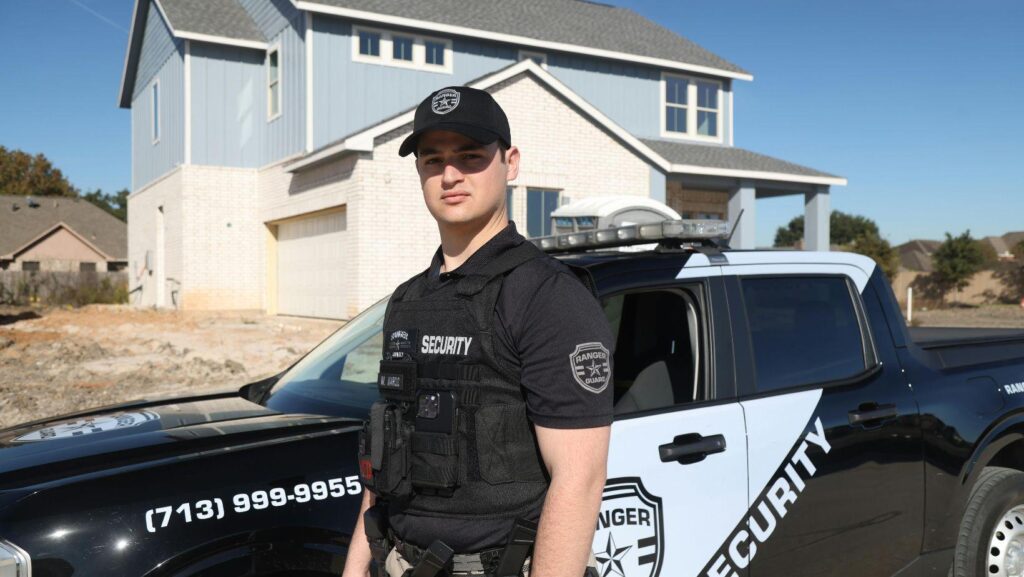
Most security operations still rely on handwritten logs, phone calls to confirm guard positions, and incident reports that arrive hours after they should. The result: slow response times, missing compliance records, and clients who don’t know what’s happening on their property until something goes wrong. Understanding what is patrolling in security is the first step toward fixing these broken workflows. But knowing the definition isn’t enough if your systems can’t track, verify, and report on those patrols in real time.
Key Takeaways
- Manual patrol logging creates blind spots that delay incident response and expose your firm to liability.
- Real-time verification systems eliminate the guesswork around whether guards are actually where they report being.
- Centralized incident records prevent critical details from falling through cracks between shifts.
- Live dispatch and tour tracking reduce response delays from minutes to seconds.
- Client portals create transparency that builds trust and differentiates your firm from competitors.
Why It Matters
Security operations managers inherit systems built on assumptions that no longer hold. The assumption that a guard will remember to call in their location. The assumption that a written patrol log is accurate. The assumption that the control room operator will catch an anomaly and escalate it fast enough. None of these assumptions reliably work when you’re managing multiple sites, multiple teams, and unpredictable incident patterns.
When a critical incident happens, every second of delay compounds the problem. Slow communication between guards and dispatch, unclear records of who was where, and missing context about prior events all stack up to create operational friction and liability exposure. Firms that cling to manual workflows report higher insurance premiums, customer complaints, and staff turnover. The cost isn’t just operational; it’s reputational.
Gap 1: No Real-Time Verification of Guard Position
Guards report they’re at a checkpoint. You believe them because they called it in. But what if they didn’t actually walk the full perimeter? What if they moved the patrol route without telling you? What if the phone signal dropped and the message never came through?
Manual confirmation systems can’t answer these questions in real time. You find out the guard skipped a zone only when an incident happens in that zone. By then, it’s too late.
Modern patrol management platforms use automated check-in and GPS verification to confirm guard position without requiring a phone call or a manual log entry. Guards use the app to clock into checkpoints, and the system verifies their location against the expected patrol route. If a guard misses a checkpoint or deviates from the route, the control room knows immediately, not after the fact.
This isn’t about policing guards. It’s about giving the control room the information they need to respond correctly and quickly. If a guard is five minutes away from an incident location, the control room can dispatch them. If they’re on the other side of the property, the control room knows to call for backup or escalate to law enforcement.
Gap 2: Incident Details Get Lost Between Shifts
An incident happens at 10 p.m. The guard fills out a paper report. The report gets filed in a cabinet or a folder. The next shift arrives at midnight, but no one briefs them on what happened because the report is in a different location or the outgoing guard’s notes are illegible.
Two hours later, the same issue happens again, and the new guard doesn’t know it’s a repeat problem. No escalation happens. The client finds out third-hand that there’s an ongoing issue.
Centralized incident records ensure that every team member, every shift, and every supervisor sees the same information. When an incident is logged, it’s immediately available to anyone with permission to view it. Supervisors can set alerts so they’re notified of patterns or recurring issues in real time. Clients can access the incident history through a secure portal and understand what’s happening at their property.
This also means compliance and liability documentation is complete from day one. You’re not scrambling to reconstruct events from half-remembered conversations or scattered notes.
Gap 3: Dispatch Decisions Are Made with Incomplete Information
Control room staff need to decide in seconds whether to send one guard, two guards, or call external support. With manual systems, they’re working with outdated information. They don’t know exactly where the nearest available guard is. They don’t know if that guard has the skills or certifications for the type of incident. They don’t know how long it will take for the guard to reach the incident location.
This leads to over-dispatch (tying up guards unnecessarily) or under-dispatch (sending insufficient coverage and creating liability). Both are costly.
Real-time dispatch systems show the control room a map of all active guards, their current location, their status, their certifications, and the estimated time to reach any incident location. Dispatchers can make informed decisions in seconds instead of minutes. Guards know what they’re responding to, where it is, and what backup is on the way. Response times drop from eight to twelve minutes to two to three minutes.
Gap 4: Scheduling and Time Tracking Consume Administrative Overhead
Security operations managers spend hours per week on scheduling conflicts, timecard verification, and payroll audits. Guards submit paper timesheets or text updates that don’t align with actual patrol records. Scheduling conflicts aren’t caught until a shift is already understaffed.
Built-in scheduling and time tracking tie patrol data directly to payroll. When a guard clocks in via the app, their time is recorded and verified against their scheduled hours. Scheduling conflicts surface immediately, before a shift goes live. Supervisors can fill gaps without scrambling at the last minute.
This also creates a complete audit trail for compliance purposes. If a client questions whether a specific checkpoint was covered on a specific date, you have digital proof.
Gap 5: Clients Are in the Dark Until Something Goes Wrong
Most security contracts depend on trust, but many clients have zero visibility into actual operations until an incident report arrives. They don’t know if their property is being patrolled as promised. They don’t know if guards are there at the agreed times. They don’t get real-time updates if something happens.
This creates a trust problem. Even if your firm is executing perfectly, the lack of transparency makes clients anxious. Worse, if something does go wrong, clients are blindsided.
Client portals give customers real-time visibility into patrol activity, incident reports, and response actions. Clients can see that checkpoints are being hit, view incident details as they unfold, and access historical reports for audit and planning purposes. This transparency builds confidence and differentiates your firm from competitors who still operate as black boxes.
Real-World Example: Why These Gaps Matter in Practice
Consider a multisite security firm managing office buildings, warehouses, and retail locations across a metro area. The firm uses phone-in patrol reports and paper incident logs.
One Friday night, an unauthorized person enters a warehouse at 11:47 p.m. The guard on patrol is supposed to check that zone at midnight, but the guard is delayed by a personal call. He doesn’t reach the zone until 12:15 a.m. When he discovers the intrusion, he calls the control room to report it. The control room operator needs to determine how many guards to send and whether to call police. But the operator doesn’t have real-time information about available guards, so they make a conservative choice: call for external support while coordinating with the patrol guard on the phone.
Police arrive in eight minutes. By then, the intruder has escaped, but evidence is preserved. After the incident, the operations manager reviews what happened and realizes the firm has no clear record of why the patrol was delayed or what the complete incident timeline was. The incident report is filled in the next day from memory.
Two weeks later, the same warehouse has another unauthorized entry. The operations manager isn’t aware of the pattern until the client files a complaint. The firm has no way to show that they adjusted response protocols or that the guard was in a different location during the first incident.
With modern patrol management software, the timeline would be different. The guard would have checked in at the warehouse zone at the scheduled time. If he was delayed, the control room would have known and could have assigned another guard to cover. When the intrusion was detected, the control room would have dispatched the nearest available guard with full situational awareness. An incident log would have been created immediately and visible to supervisors and the client. When the second incident occurred two weeks later, the pattern would have been flagged automatically, and leadership would have proactively addressed it.
Actionable Takeaways
- Audit your current patrol verification system. Are guards confirming location via phone, app, or manual log? If you can’t answer this in one sentence, your system is fragmented.
- Map out your incident reporting workflow. How long does it take for information to travel from the guard at the scene to the operations manager? If it’s longer than five minutes, you have a gap.
- Test your dispatch responsiveness. If a critical incident happened right now, how long would it take for the control room to know the exact location of every available guard and estimate response time? If it’s more than two minutes, your dispatch process is too slow.
- Check your scheduling system. How much time per week do you spend on manual conflict resolution and payroll verification? The answer is a direct measure of administrative overhead.
- Survey your clients about visibility. Ask three major clients whether they feel confident about what’s happening at their property in real time. Their answers will tell you whether transparency is a competitive advantage or a gap.
Conclusion
The five gaps above aren’t theoretical. Every security operations manager at a firm using manual or fragmented systems faces them every day. They’re not failures of effort or competence; they’re failures of tooling. Modern security management platforms address each gap with specific, practical features that cut administrative work while improving response times and client trust.
The firms that are growing and retaining clients aren’t the ones with the most guards. They’re the ones with the most complete operational visibility and the fastest incident response. Closing these gaps is how you get there.
FAQ
What is the most common gap in security patrol operations?
The most common gap is lack of real-time verification that guards are actually where they report being. Most firms rely on phone calls or manual log entries, which are slow, error-prone, and create blind spots. Real-time app-based check-in systems eliminate this problem by automatically verifying guard position against expected patrol routes.
How much faster can dispatch be with automated location tracking?
Dispatch response times typically drop from eight to twelve minutes to two to three minutes when control room staff have real-time visibility of all active guards and can make data-driven dispatch decisions instantly. The exact improvement depends on your current system and geography, but the reduction is substantial enough to matter in almost every critical incident scenario.
Do security guard apps work for small firms or only large operations?
Modern security management platforms scale from small single-location firms to large multisite operations. Pricing is typically usage-based or team-based, so a small firm with five guards can use the same software that a firm with fifty guards uses. You only pay for what you need.
How does a client portal help with liability?
A client portal creates a real-time record of all patrol activity, incident reports, and response actions. If a client disputes what happened or claims your firm didn’t meet service obligations, you have digital proof of patrol coverage and incident response. This is a stronger liability defense than paper records or verbal agreements.
Can patrol management software replace human security staff?
No. Patrol management software is a tool for managing and optimizing human security teams. It gives guards, supervisors, and dispatchers better information so they can make faster, smarter decisions. It doesn’t eliminate the need for trained security personnel; it makes those personnel more effective.
What should we look for in a security patrol management platform?
Look for real-time guard tracking, automated check-in verification, centralized incident logging, live dispatch with location mapping, built-in scheduling and time tracking, client portal access, and historical reporting for compliance and audits. The platform should be intuitive enough for guards to use without extensive training and structured enough to meet your firm’s compliance requirements.