
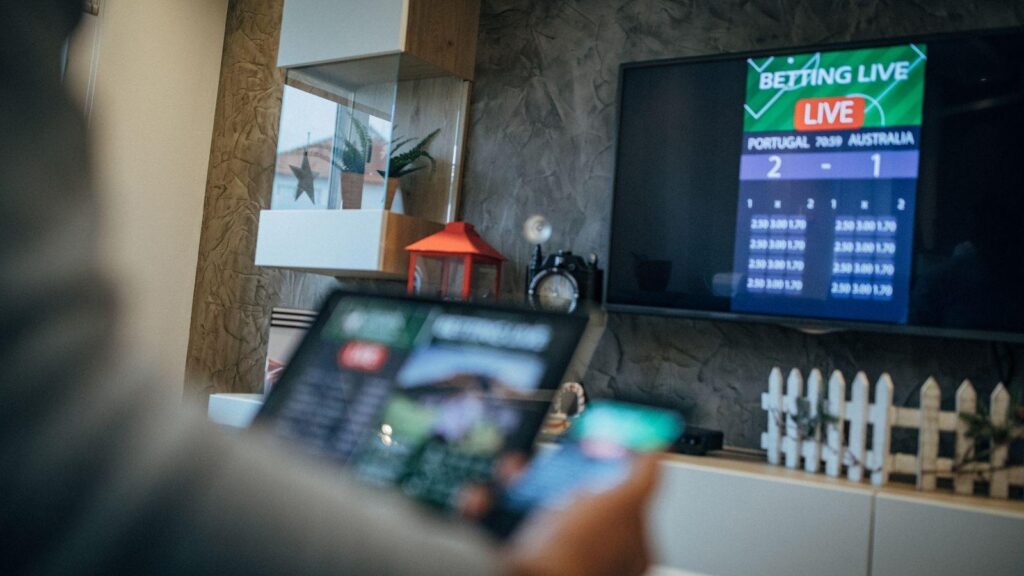
A player scores, the sportsbook updates the market, and the live stats page shows the same thing.
Then the number changes.
Maybe an assist gets reassigned. A shot on target becomes a blocked attempt. A game listed for 8 p.m. starts 10 minutes early. From the user’s side, it looks like a simple data error. But by the time the correction arrives, some bets may already be settled.
Behind the scenes, there are systems working together, sometimes relying on different data sources at different speeds, under different rules.
That’s why two sportsbooks can receive the same correction and still reach different results.
Live data is provisional
A live feed has to move fast. Waiting for a human reviewer to confirm every foul, rebound or pass would make in-play markets useless.
Data providers collect events from official sources, venue staff, tracking systems and manual operators, then send them through APIs to sportsbooks, broadcasters and score apps.
The first version isn’t always the final one.
Sportradar’s soccer systems, for example, support live corrections and post-match validation. They also provide change logs, which let clients detect updated records without pulling the entire feed again.
That setup makes sense. Send the best available information now, then fix it when better data arrives.
The problem starts when money has already been attached to the earlier version.
Operators don’t rely on one message
Sportsbooks rely on data from specialist providers such as Sportradar or Genius Sports. These companies supply official or licensed feeds across a large number of leagues and competitions.
Official doesn’t mean permanent.
A sportsbook may compare its main feed with a secondary source, the listed match status, scheduled start time and manual checks from a trader. When those signals disagree, the safest response is usually to suspend the market.
The user sees the odds disappear or the bet button stop working. Annoying, yes. Still better than accepting bets while the system isn’t sure what just happened.
Wrong start times affect the whole event
A disputed player statistic might affect one market. A bad start time can affect everything.
Sportsbooks in New Jersey have been fined for accepting bets on events that had already finished. Some cases involved boxing matches that started earlier than the listed time.
This isn’t just a clock problem.
Markets often open and close automatically using schedule data. When that data is wrong, wagers may remain available after part of the result is already known. Once the issue is spotted, the operator has to suspend the event, find the affected bets and decide whether they should be voided.
That may happen long after the user saw the bet marked as accepted.
Corrections need a clear data trail
The systems behind Bet Jordan Sports Betting and other live sportsbooks need more than a stream of scores. They also need event IDs, timestamps, market states, correction notices and a record of which data version was used when each bet was placed.
Without that history, later corrections become difficult to untangle.
Say a football feed records a shot on target. The related market settles as a winner. During post-match review, the provider changes it to a blocked shot.
The operator then has to check its own rules. Do post-match changes count? When did the corrected data arrive? Which source is considered final?
Some operators name a specific provider, such as Opta, for football statistics. Others settle using the first official result and ignore later changes.
Same match. Same correction. Different outcome.
Settlement deadlines draw a line
A sportsbook can’t leave every bet open forever in case a league changes a statistic next week.
House rules usually set a cutoff.
Fanatics allows some later amendments when they’re announced within 24 hours of the original settlement and correct a reporting error. DraftKings takes a stricter position in some of its published terms, stating that later league adjustments won’t change the settled result.
Other operators wait for an official result, which may delay payment when the governing body hasn’t confirmed it yet.
None of these approaches removes the argument. They just answer the same question differently: when does a temporary result become final enough to pay?
Suspended events create another split
Match status can change too.
An event may be delayed, abandoned or moved to another day. One sportsbook may keep bets valid if play resumes within 24 hours. Another may allow 48 hours. After that, singles may be voided and multiples recalculated.
The feed reports what happened.
The house rules decide what it means for the bet.
Why a result may change, or stay put
Users usually expect the corrected official statistic to control the outcome. That feels obvious when the new number appears on the league’s own website.
But reopening settled bets creates other problems. Winnings may already have been withdrawn or used on another wager. Some operators reserve the right to reverse funds credited in error, while others lock the first official settlement after a set deadline.
That’s why a screenshot from a live-score app rarely settles the dispute.
The useful details are usually buried in the house rules: the named data provider, the correction window, the postponement limit and the definition of an official result. Four dull lines, right up until one rebound moves to the other player.


