
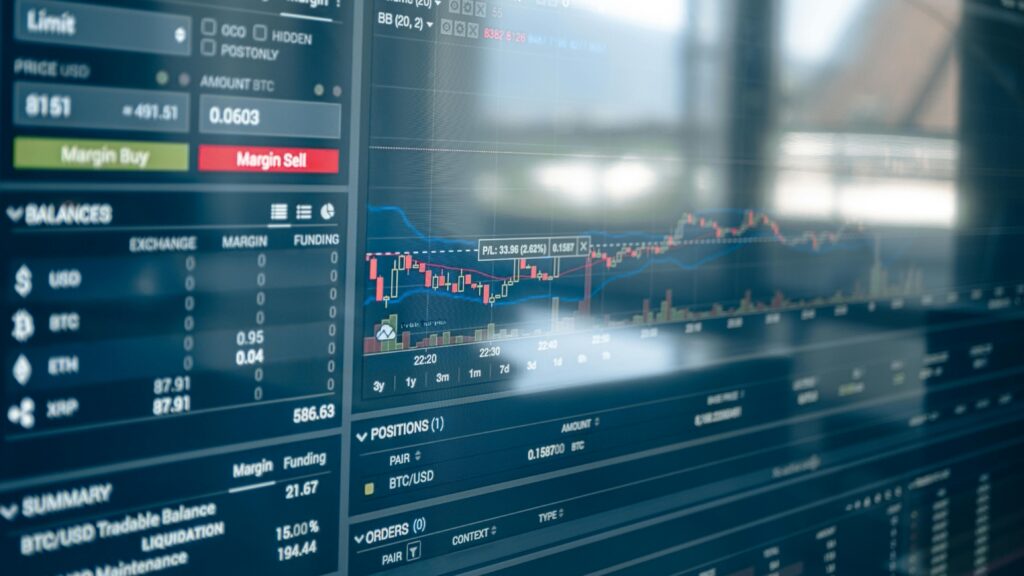
As technology continues to reshape financial systems, developers are increasingly engaging with tools that extend beyond traditional software engineering. From building decentralized applications to integrating financial APIs, the overlap between coding and finance is becoming more pronounced.
One area gaining attention among tech-savvy users is margin trading: a concept rooted in finance but increasingly relevant in digital ecosystems. This article explores how margin trading fits into the broader developer economy and what it means for those navigating both technology and modern financial tools.
The Intersection of Technology and Trading
The rise of fintech platforms and cryptocurrency exchanges has made financial tools more accessible than ever. Developers, in particular, are well-positioned to understand and leverage these systems due to their familiarity with algorithms, automation, and data analysis.
Margin trading allows users to borrow funds to increase their trading position, amplifying both potential gains and risks. While this concept has existed in traditional finance for decades, its integration into digital platforms has made it more transparent and accessible to a broader audience.
According to a report by the Bank for International Settlements, the rapid growth of digital trading platforms has significantly increased retail participation in leveraged trading, highlighting a shift in how individuals interact with financial markets.
How Margin Trading Works in Digital Platforms
At its core, margin trading involves borrowing capital to open larger positions than one’s initial investment would allow. This leverage can enhance returns if the market moves in the trader’s favor, but it also increases the potential for losses.
For developers, the appeal often lies in the mechanics behind these systems. APIs, real-time data feeds, and automated trading strategies allow for a more technical approach to trading. Many platforms provide detailed documentation and programmable interfaces, enabling users to build custom tools and strategies.
Exploring features like margin trading with Kraken offers insight into how modern exchanges structure leverage, risk management, and user controls within a secure digital environment.
Risk, Volatility, and Responsible Use
While margin trading offers opportunities, it also comes with significant risks. Leveraged positions can be liquidated quickly if the market moves against the trader, making risk management essential.
Cryptocurrency markets, in particular, are known for their volatility. Digital asset markets can experience rapid price swings, which can amplify the effects of leveraged trading. Following high-leverage usage, markets have seen severe liquidation events, including reports of approximately $20 billion USD in leveraged positions being wiped out during sharp downturns. For developers experimenting with trading systems, this underscores the importance of building safeguards and understanding market behavior.
The Role of Automation and Algorithms
One of the key advantages developers bring to trading is the ability to automate processes. Algorithmic trading strategies can execute trades based on predefined conditions, reducing emotional decision-making and improving efficiency.
Margin trading platforms often support automated tools, allowing users to integrate bots and scripts that monitor market conditions in real time. This aligns with broader trends in technology, where you can use automation to optimize performance and reduce manual intervention.
However, automation does not eliminate risk. Poorly designed algorithms or unexpected market conditions can still lead to significant losses, making testing and monitoring critical components of any trading strategy.
Endnote
As the boundaries between technology and finance continue to blur, developers are uniquely positioned to engage with advanced financial tools. By combining technical expertise with a clear understanding of risk, they can navigate margin trading more effectively and contribute to the evolving landscape of digital finance.


