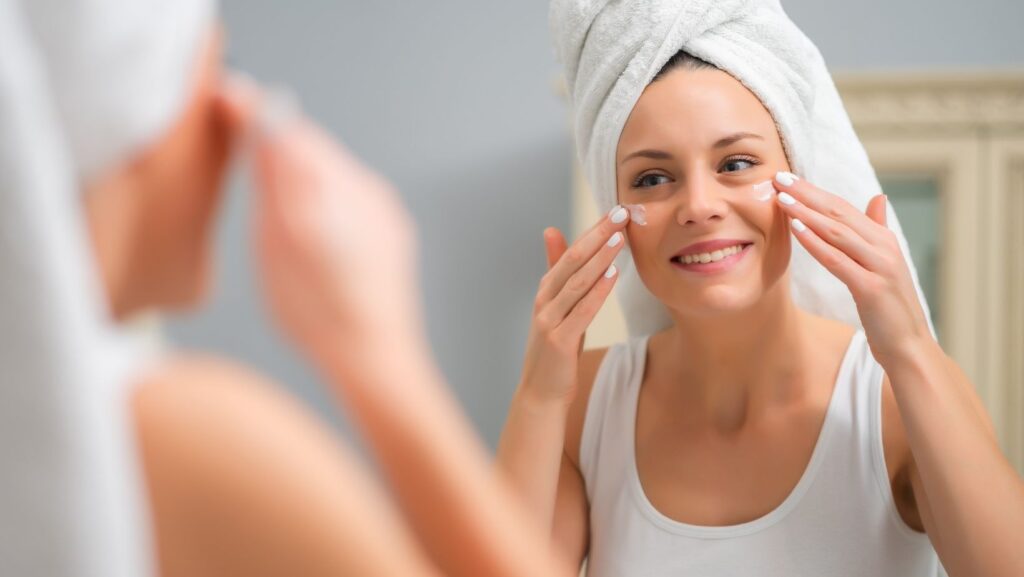
We used to think of skincare as a simple tug-of-war between nature and chemistry. You either smeared on a botanical extract and hoped for the best, or you opted for a harsh lab-made acid that practically peeled your face off. It was a binary world. Fast forward to 2026, and that line hasn’t just blurred; it has been completely rewritten by a new era of bio-technical integration. We aren’t just putting “ingredients” on our skin anymore. We are providing instructions.
This shift moves us away from the old-school mentality of fixing damage after it happens. The current analysis points toward something much more interesting: skin longevity. It is a biological conversation. By using cellular signaling, we can now coax the body into behaving like a younger version of itself without the trauma of aggressive resurfacing. It is less about the “code” of a formula and more about the biological response that code triggers.
The Rise of Cellular Messengers
The real breakthrough lately isn’t a new oil or a fancy vitamin. It is the rise of exosomes and signaling peptides. Think of these as the high-speed internet of your skin cells. In the past, if your collagen levels dropped, you applied a heavy cream and hoped it would “sink in.” Now, we use bio-engineered vesicles that literally carry “mail” to your fibroblasts, telling them to start producing structural proteins again.
It is a subtle but massive change in how we approach aging. Instead of just replacing what is lost, we are restoring the machinery that makes it. This biological mimicry is why 2026 is becoming the year of “biomimetic” everything. We are seeing lab-grown growth factors and fermented actives that look and act exactly like the substances our bodies naturally produce, which means fewer reactions and much better integration.
Precision in Every Layer
When we talk about modern aesthetics, the conversation has moved into the deeper layers of the dermis. This is where topical products used to fail and where injectables took over. But even the world of needles has changed. We have moved toward “biorevitalization,” a process where the goal is no longer just to fill a hole or create a fake cheekbone:
- Polynucleotides: These are DNA fragments often derived from marine sources that don’t just add volume. They actually repair tissue at a genetic level.
- Hyper-diluted biostimulators: These spread throughout the skin to create a uniform “glow” by thickening the actual skin quality rather than just plumping one spot.
- Hybrid formulations: We are seeing products that combine cross-linked hydration with active repair agents, doing two or three jobs at once.
This is where the magic happens for those looking for a total skin reset. When you look at the landscape of professional treatments, the gold standard involves using Filorga skincare and injectable products to address the skin from multiple angles. It isn’t just about one syringe; it is about a protocol that marries high-tech topical maintenance with deep-tissue regeneration. This type of multi-layer strategy ensures that the surface looks as healthy as the structure underneath.
The Bio-Technical Shift in Professionals
Modern practitioners are no longer just “injectors.” They are becoming skin architects. The data from recent 2026 clinical studies suggests that the most successful outcomes happen when we treat the skin as a living ecosystem. You can’t just throw a filler at a problem and ignore the barrier health. If the barrier is compromised, even the most expensive treatment will look “off.”
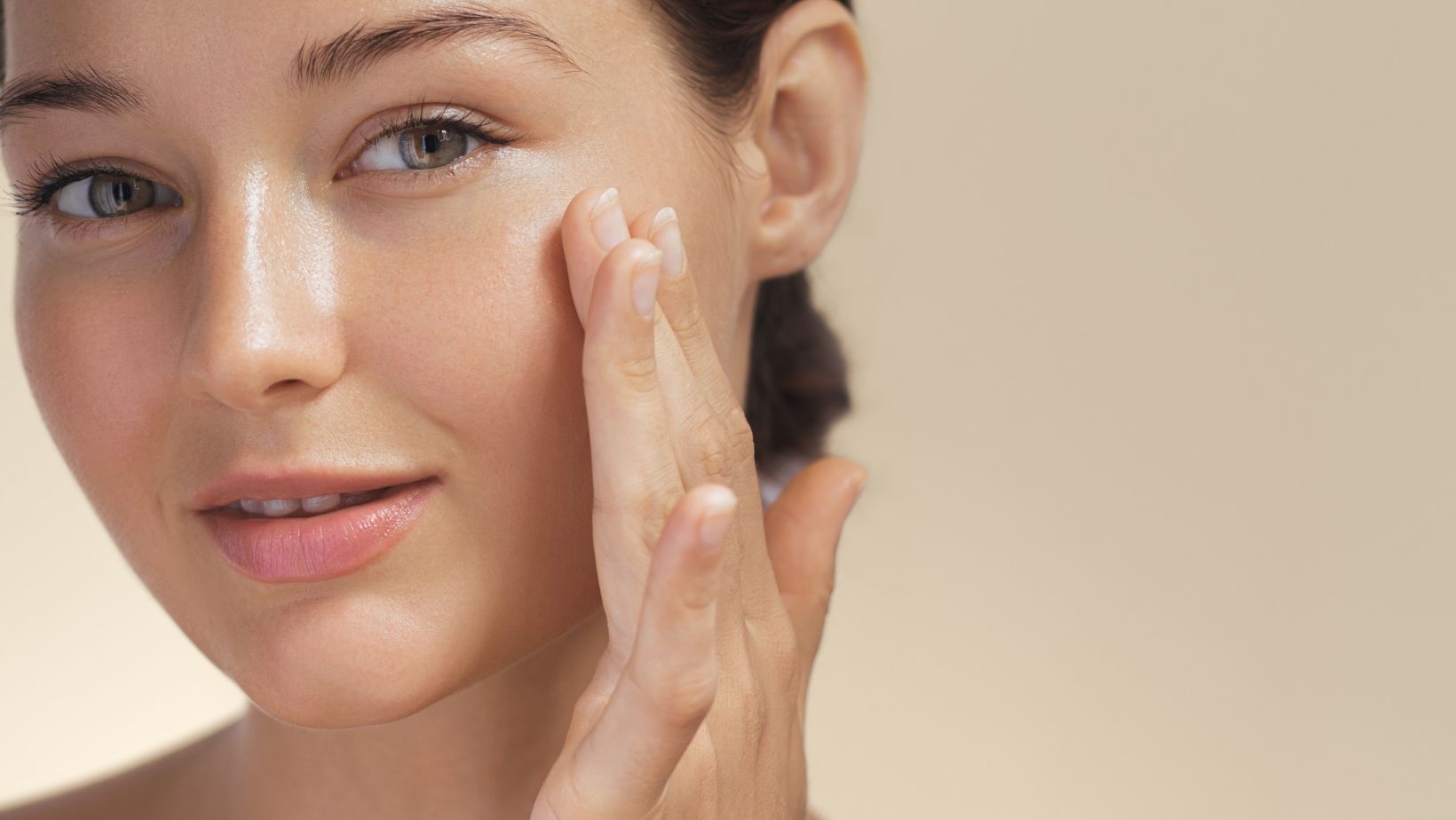
We are seeing a massive trend toward “treatment stacking.” This is the practice of combining light-based therapies with bio-active injectables and specific home-care routines. It works because it addresses the different biological “clocks” of the skin. The surface gets the glow, the middle layer gets the repair, and the deep layer gets the structural support.
The goal of 2026 isn’t to look like you’ve had work done. It is to look like your biological clock just stopped ticking ten years ago.
Why Purity Matters More Than Ever
In this bio-tech era, the “clean beauty” movement has been replaced by “biocompatible beauty.” People realized that “natural” doesn’t always mean “effective,” and “synthetic” doesn’t always mean “scary.” We want ingredients that the skin recognizes. This is why fermentation has become such a powerhouse in 2026.
By using microorganisms to break down ingredients, we create molecules that are smaller and more “bio-available.” Your skin doesn’t have to fight to absorb them; it welcomes them. This leads to a much lower risk of inflammation, which we now know is the primary driver of rapid aging. If you can keep the skin calm while giving it the tools to repair, you win the long game.
The Future of the Aesthetic Routine
We are leaving the days of the 12-step routine behind. The bio-technical approach favors “intelligent skinimalism.” This means using fewer products, but products that are vastly more sophisticated. A single serum might now contain encapsulated retinal, bio-fermented minerals, and specific peptides that target neuro-sensitivity.
It is a targeted approach that respects the skin’s natural rhythm. We are no longer trying to beat the skin into submission. We are working with it. As we move deeper into 2026, the focus will continue to shift toward these regenerative technologies that prioritize health over vanity. When the skin is healthy at a cellular level, the beauty part tends to take care of itself.